The survey to estimate the population of the Indian giant squirrel, popularly known as Shekaru (in Marathi) and recognised as Maharashtra’s state animal, has commenced in the ecologically sensitive Bhimashankar Wildlife Sanctuary in Pune district. Nestled in the biodiversity-rich Western Ghats, the sanctuary is regarded as one of the most significant habitats for the species in the state.
Forest department officials said the data collected during the exercise will be analysed to understand the population status and habitat hotspots of the species.
OfficialSpeak
“The census of the Indian giant squirrel [Shekru], which is also the state animal of Maharashtra, has recently concluded at the Bhimashankar Wildlife Sanctuary in Junnar taluka of Pune district. The process of analysing the collected data will begin soon,” said Deputy Conservator of
Forests (Wildlife), Pune, Keshav Wable.
Wable said that the census exercise was conducted between May 5 and May 25, 2026, under the guidance of renowned scientist Renee Borges, who is well known for her extensive work on the Shekaru.
The 2023 census
The census estimated around 2500 Indian giant squirrels living in Bhimashankar Wildlife Sanctuary. The species plays an important role in maintaining forest ecosystems through seed dispersal.
How was the census done?
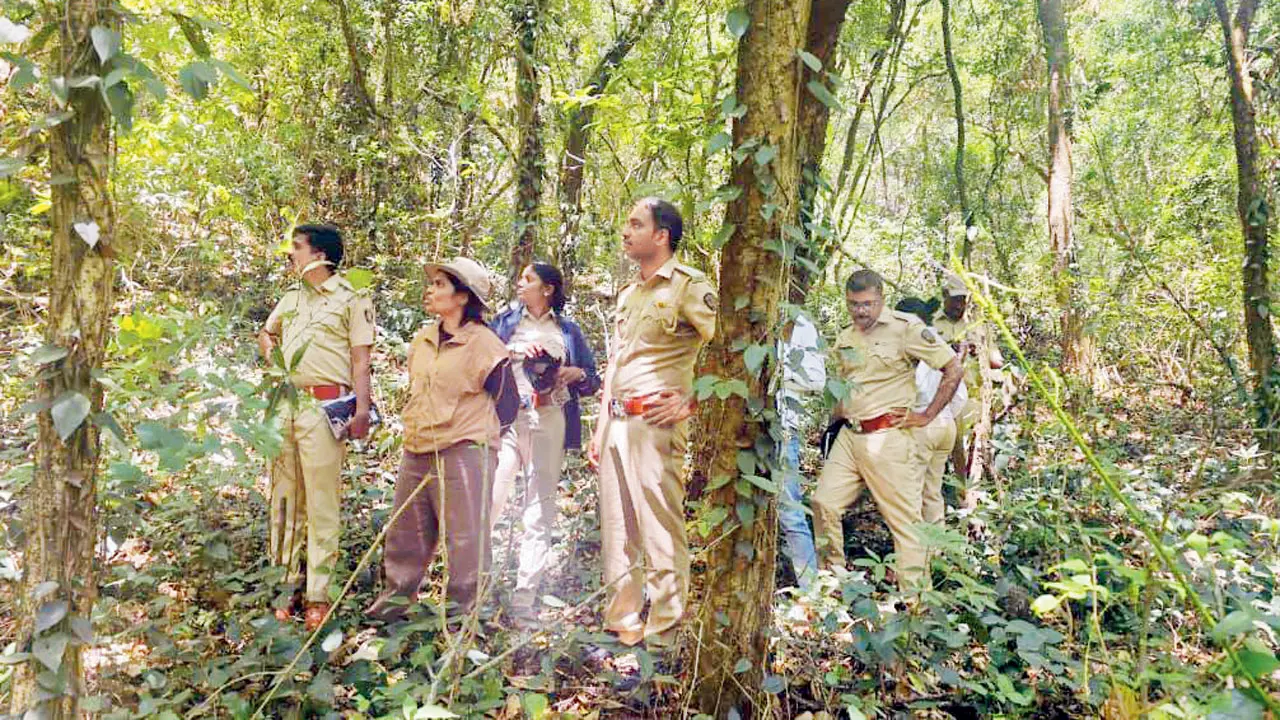
Forest department staff were trained to identify both direct and indirect evidence of the Indian giant squirrel while conducting surveys. Teams comprising two forest officials each covered multiple beats and ranges within the sanctuary, documenting sightings of the species as well as nests spotted during the exercise. GPS-tagged photographs were also collected to assist researchers and forest officials during data analysis.
Indian giant squirrel is known as Ratufa indica
About species
Scientifically known as Ratufa indica, the species is also referred to as the Malabar giant squirrel. It displays varying colour patterns across different regions. An arboreal and largely solitary species, it primarily feeds on fruits, seeds, flowers, and bark. It has an average lifespan of around 8-9 years and usually gives birth to a single offspring once every year. In the Bhimashankar Sanctuary, where the species is found in large numbers, locals fondly call it “Bhimashankari”.