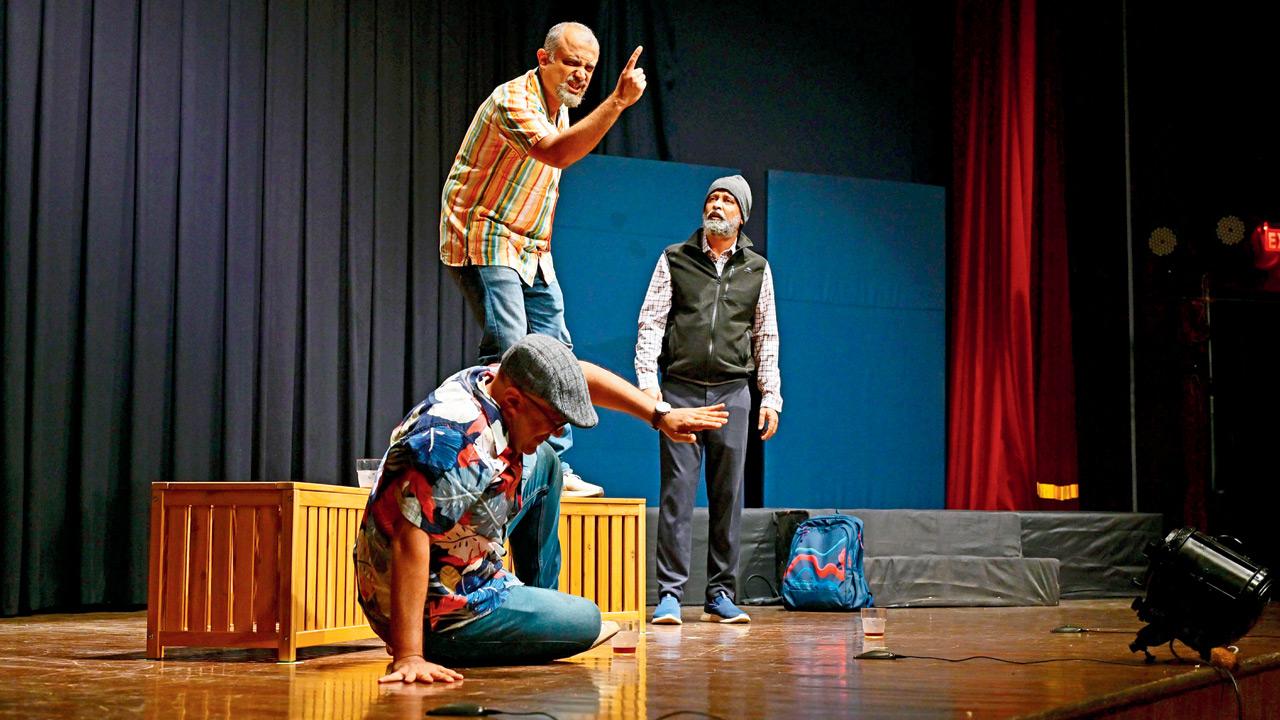
The suits were given a break; the Excel sheets took a breather. After eight years away, a motley group of corporate professionals returned to the stage at Rang Natya Mandir, Prabhadevi recently, with a performance that was restrained and assured, letting silences land as sharply as the lines. An investment banker, a finance head, a chief commercial officer, a supply chain lead, a global brand manager, two entrepreneurs and a senior vice president, all bound by a shared love for theatre, came together as part of Fir Se Productions’ Yeh Lamha… Jee Lene De. The 90-minute play on friendship, memory and the quiet possibility of love returning later in life unfolds with the lives of old college friends reunited in an old-age home. As memories blur and time softens edges, the story leans into companionship, dementia and the quiet acceptance that comes with this phase of life.
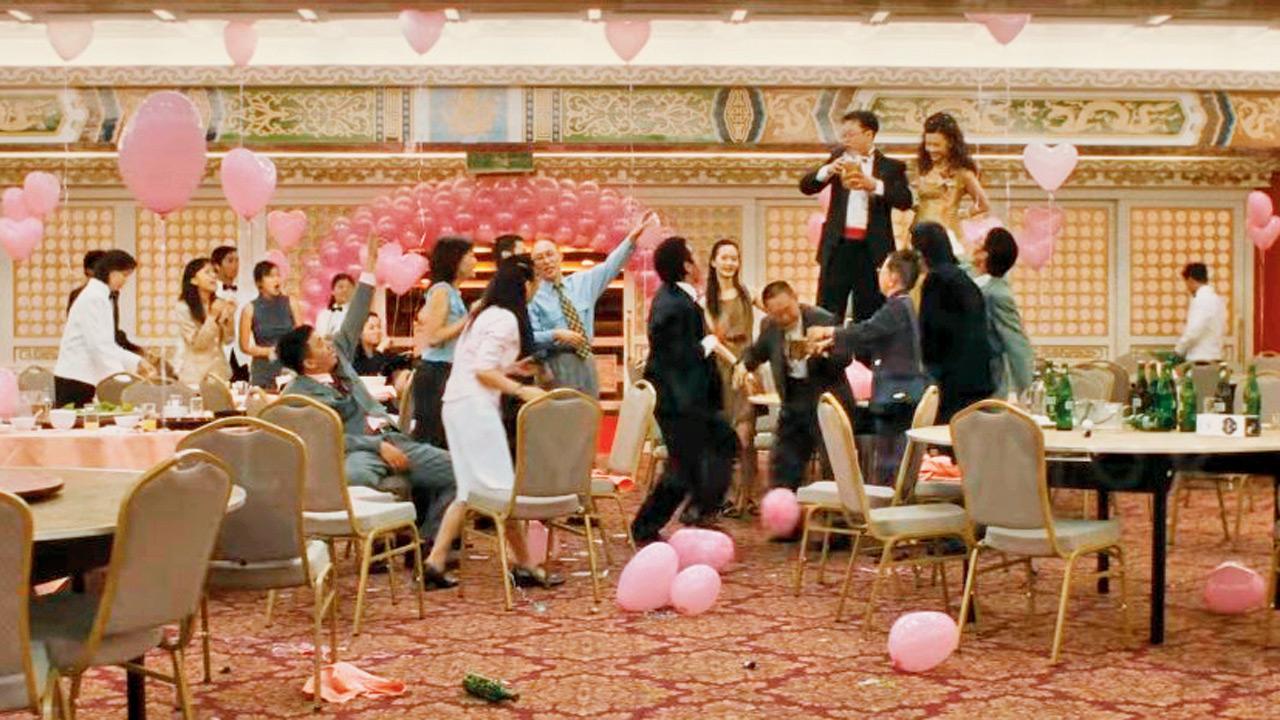
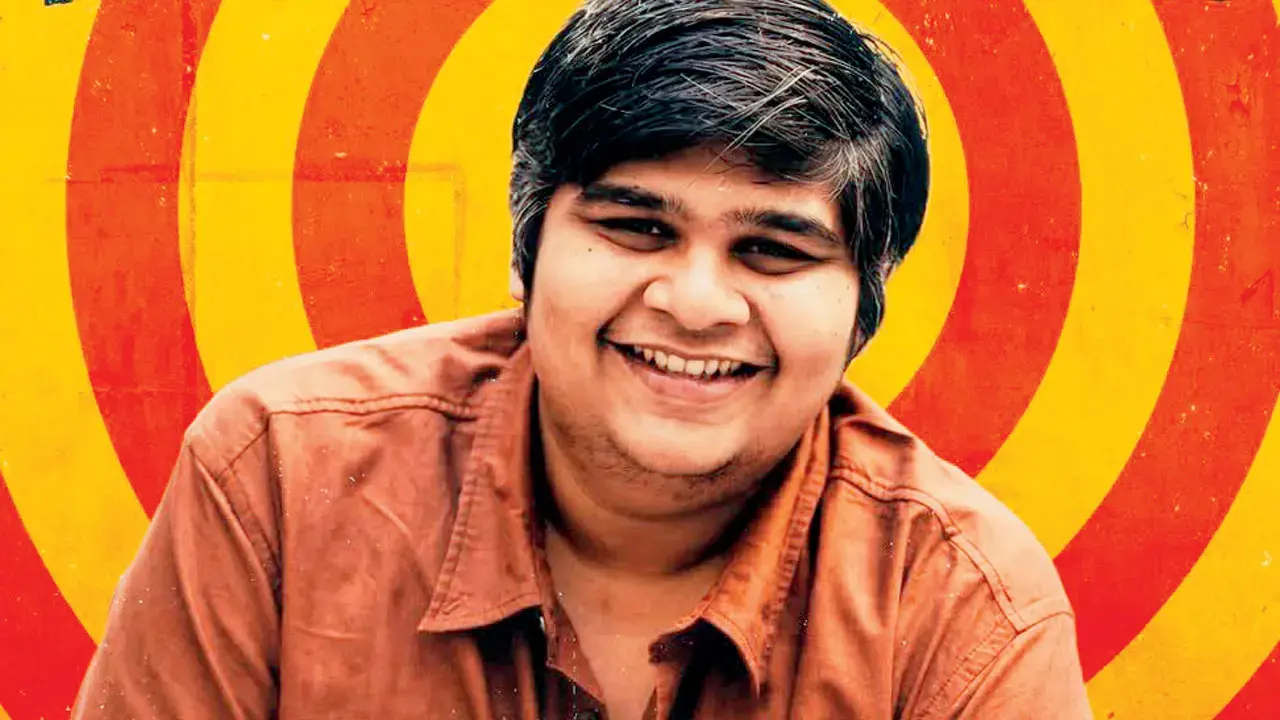
(From left) Arpieta Kulkarni, Pankaj Naik (in foreground), Anupam Joshi, and Jyoti Prakash (in the mirror) ready themselves before the show. Pics/Shadab Khan
Founded in 2013, the collective returned with a renewed sense of purpose, bringing years of lived experience to the stage. “For most of us at the Fir Se team, theatre has been our first love since college,” shares 47-year-old Anupam Joshi, senior vice president in a telecom company, who plays the role of Shreyas. “While we all enjoy our jobs and the opportunity to contribute to a corporate set-up, there’s a part of us that corporate life doesn’t explore; the part that wants to feel, express, and connect without an agenda. Theatre brings us back to that space. It allows us to be unpolished, vulnerable, even imperfect. After long days of structured thinking, theatre feels like coming home to something complementary and that rejuvenates us,” he adds.
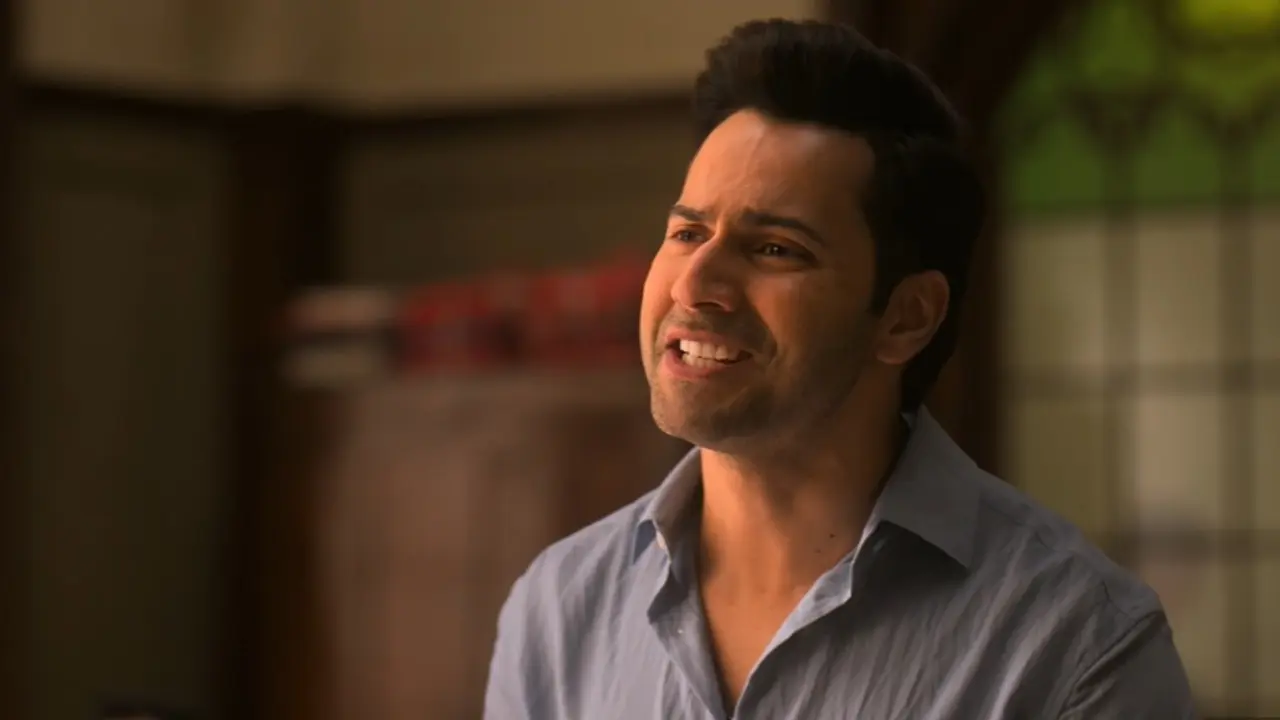
Arpieta Kulkarni rehearses a scene
The hiatus was due to various reasons, explains Pankaj Naik, a 51-year-old partner and head at a boutique investment banking firm, who plays the role of Ashish. “Some of us moved locations in pursuit of our careers and opportunities. Somehow, the pull of theatre kept us connected. With life’s turn of events, we ended up again in Mumbai, and Abhijit Kulkarni, our director, had just written this play. The play felt like the right reason to return to the stage because it mirrors what we were going through, a quiet urge to revisit something we loved and give it space again. Yeh Lamha… Jee Lene De is about pausing, reflecting, and then, choosing to live fully again. In some ways, the journey of the play and ours are intertwined,” he adds.
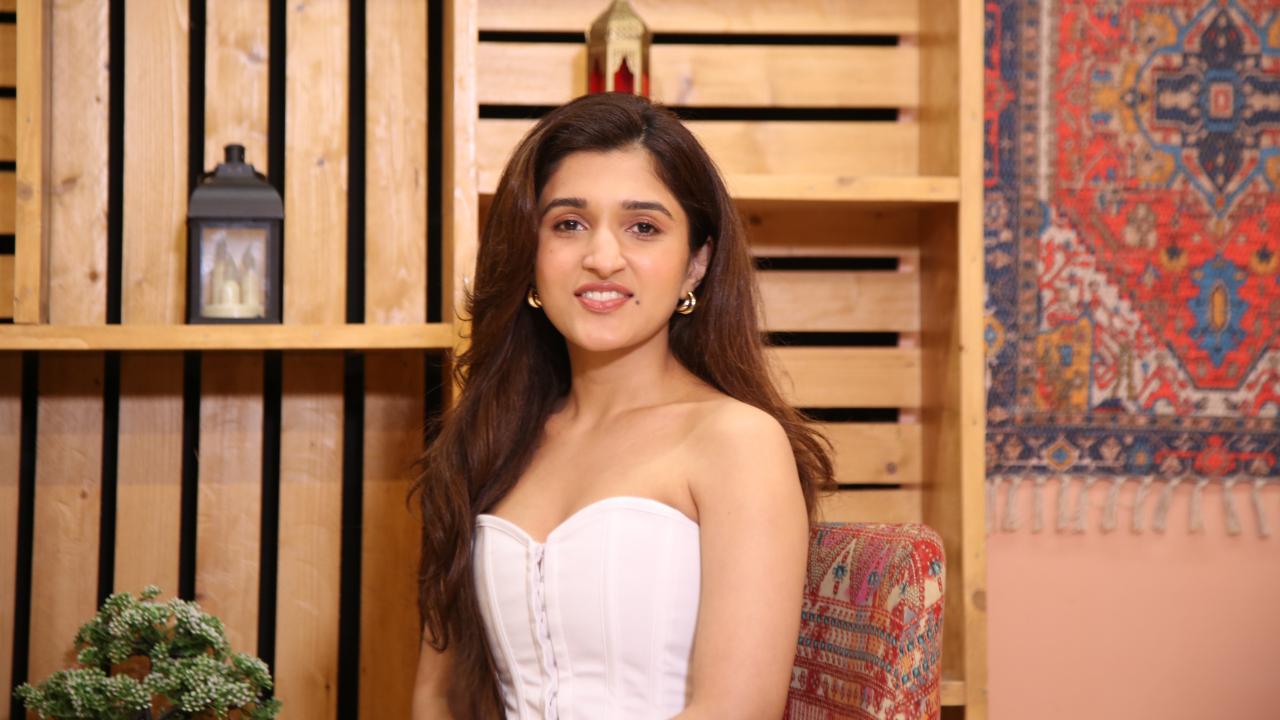
Aakansha Kumar
Writer-director Abhijit Kulkarni, chief commercial officer at a car and bike lubricant service provider, says, “There are two themes here: One, is about being in the 60s; this theme is current in our lives as we see our parents, mentors and bosses in that phase and it stimulates perspective on how we would deal with that phase. The other aspect of love at second sight; this is more layered. In this phase of life, one still seeks or values companionship and affection, and the play showcases a plot twist around this.”
Balancing demanding careers with rehearsals can be a challenge. Cast member, Jyoti Prakash, who plays the role of JP, one of the three batchmates who reunite in an old age home, is a supply chain head at an oil company shares, “It’s not easy. Rehearsals often begin when most people are winding down. We come in at times after long workdays, mostly on weekends; at times, tired or distracted. But something shifts once we start. There’s a different kind of energy in the room; it feels lighter, more alive. Because we’ve chosen it, it stops feeling like effort, and more like release. Theatre becomes the part of the week we look forward to the most.” Their next show will be at the Pune International Centre on June 7.
Aakanksha Kumar, global brand manager at a multinational consumer goods company, agrees, “We all come in carrying different lives and experiences, and that shows up in the most beautiful ways. Someone will see a moment with logic, someone else with emotion, someone with humour and together it becomes fuller. There are no designations, no hierarchy; only people listening to each other. That shared vulnerability makes the storytelling feel more real and layered, and deeply human.”