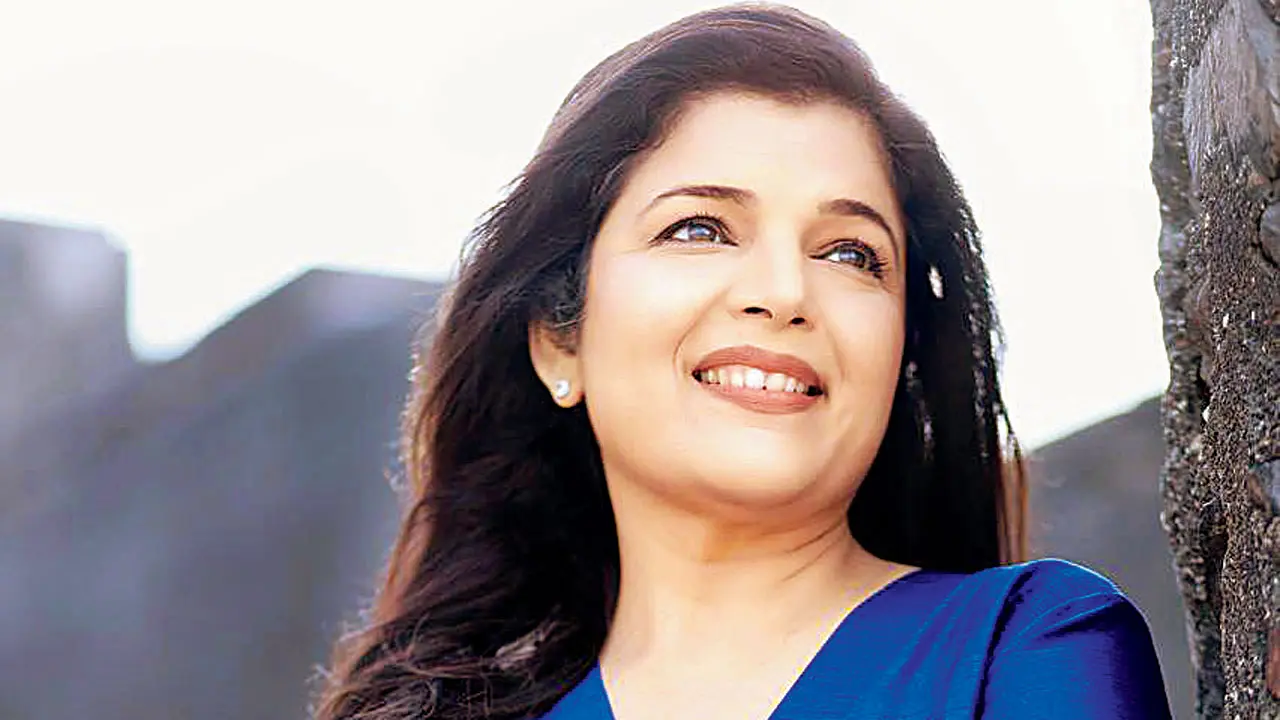
Is sitting together and singing bhajans the only way to connect with the higher force? Singer Kavita Paudwal doesn’t think so. According to her, devotion can also be experienced the way we experience life — “freely and without inhibition”. She is attempting to reshape people’s expression of spirituality with ‘Kirtan clubbing’ — a format she describes as “not satsang, not clubbing”. Having begun her kirtan clubbing events earlier this year, she held her latest session on May 3 at Ajivasan Hall in Mumbai. In a chat with mid-day, she discusses blending spiritual depth with contemporary energy, and initiating this cultural shift.
Excerpts from the interview.
Kirtan clubbing is positioned as “not satsang, not clubbing”. What made you feel devotional music needed this reinvention?
For years, we’ve been doing bhajans in a space that was always open, never restrictive. People would sit, sing, and gradually stop worrying about how they were supposed to behave. They simply felt. Over time, I realised people were craving that same emotional honesty on a larger scale. They didn’t want to be told to sit still or respond in a certain way. They wanted to experience devotion the way they experience life, freely and without inhibition. Kirtan clubbing is not a break from tradition. It’s an extension of that feeling. It takes that quiet freedom and amplifies it into something more immersive.
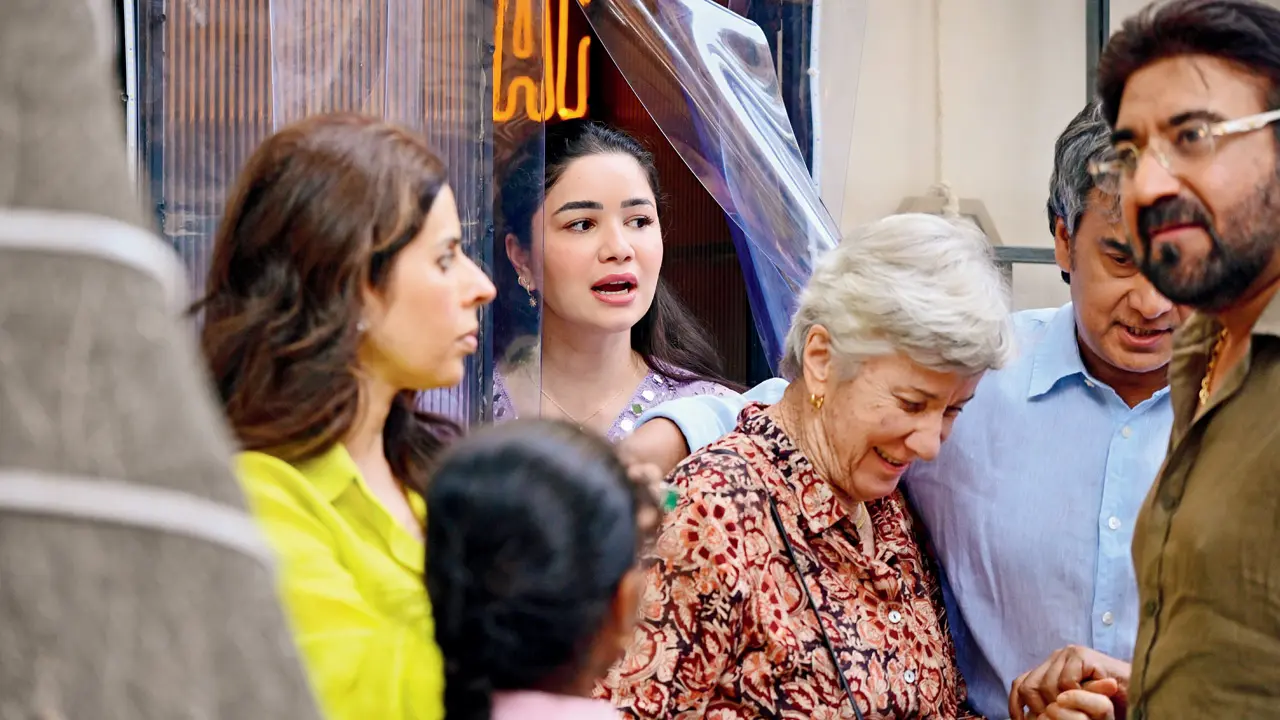
Kavita Paudwal at one of her kirtan clubbing sessions
How do you balance traditional music with a high-energy format?
When I introduce guitars or contemporary arrangements, I’m not changing the bhajan’s soul, only its expression. The purity and intention remain untouched. For me, it’s important that the younger generation does not feel distanced from devotion.
In such a format, people have to participate. How do you create that shift?
Participation is not something you demand; it’s something you earn. We begin gently, with a bhajan people already know, something they can hum along to. Gradually, the energy rises. The rhythm becomes stronger, the music opens up, and the space itself begins to change. There comes a moment when people forget who is watching. That is when participation happens naturally. They clap, sing, sometimes close their eyes and just let go.
Do you also view this as a cultural shift?
Very much so. What I see is a rejection of rigidity, not of spirituality. Spaces built around external highs often lack emotional depth. People disconnect and leave without carrying anything within them. Kirtan clubbing offers joy that is organic, shared, and deeply rooted. There is no artificial stimulation, yet the energy is powerful.
A lesson from your mother Anuradha Paudwal that guides you today?
The biggest lesson is honesty in music. She never treated a bhajan as a performance; for her, it was always an offering. There was always discipline and deep respect. Even today, when I step on stage, that stays with me. No matter how large or energetic the format becomes, the core has to remain truthful.