Long before the city was Mumbai, a group of migrants arrived on its shores carrying their traditions, trade, and an aggressive instinct to preserve memory. That layered history now unfolds at Roots of a City: The Pathare Prabhus of Mumbai at the Chhatrapati Shivaji Maharaj Vastu Sangrahalaya (CSMVS).
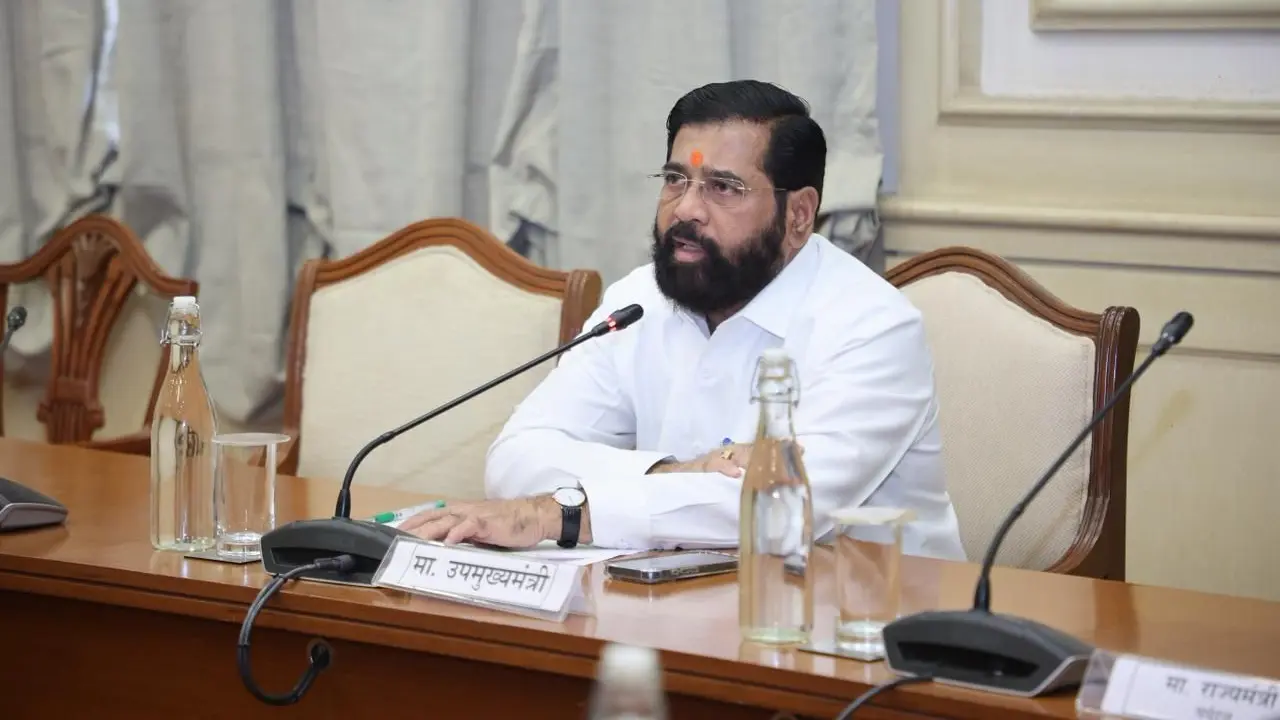
Rajan Jayakar explains the migration route through which the Pathare Prabhu community settled in Mumbai. Pics/Ashish Raje
As we enter the exhibition hall, a wall on the left traces the community’s origins to Raja Bimbadeva who established his capital at Mahikavati, present-day Mahim, bringing with him 66 families, including Somvanshi and Suryavanshi Kshatriya lineages that later evolved into distinct communities in Mumbai.
A statue of Bali Raja
Through archival material and personal collections belonging to Rajan Jayakar, Dr Anita Rane-Kothare, Sakshi and Uday Zaoba, Vishwas Ajinkya, Neela Trilokekar, Rashmin Rane and Bageshri Parikh, the exhibition pieces together migration patterns, rituals, lifestyles and contributions that shaped the city.
Daily life
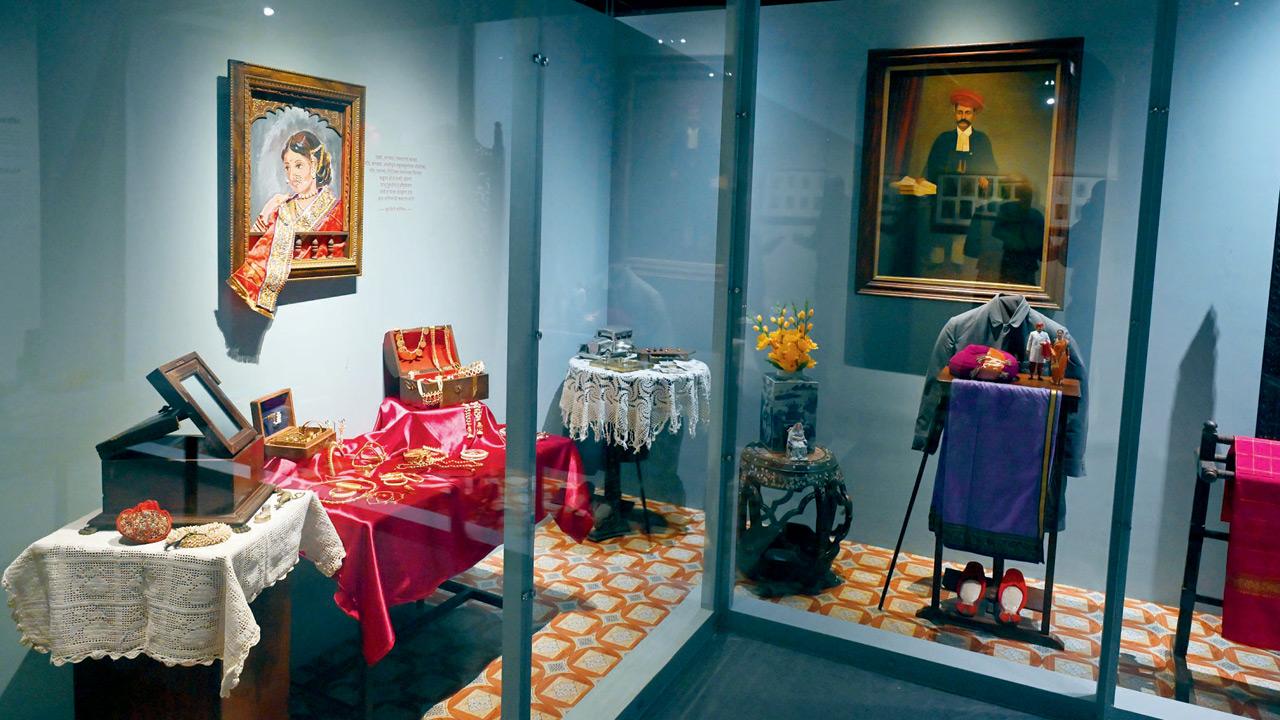
A representative image of a Pathare Prabhu couple, along with a turban, a dagla (an oversized coat), and a walking stick that belongs to Jayakar’s grandfather; a nine-yard Kasbi saree
Collector and curator Rajan Jayakar guides us through the gallery playing historian, archivist and storyteller all at once. Beside displays of traditional Daglas, Kasbi sarees, and community-specific pagdis, he introduces us to a vintage card game called Bezique.
Another wooden box cupboard with miniature household artefacts, from Jayakar’s personal and family collection that offers a glimpse into the domestic life of the community.
Lifestyle and rituals
A vanity box belonging to a Pathare Prabhu woman, featuring an angled mirror as women sit on the floor while dressing up; (in frame) a representative image of a typical Pathare Prabhu woman
This section recreates fading traditions around Gauri-Ganpati and Diwali. For Gauri-Ganpati, a balsam plant is tied into the form of Goddess Gauri, reflecting the belief that a married daughter should visit her parents only briefly. As Jayakar puts it in the traditional saying, “Once uprooted, a plant survives only for three days.”
A wedding scene from the Pathare Prabhu community painted by MV Dhurandhar, where each face appears distinct and individual
Diwali also meant seasonal house-cleaning, shares Jayakar recalling the phrase, “Ida pida javo, Baliche rajya yevo” [Let suffering and evil depart, may the kingdom of Bali return], a prayer to ward away sufferings and welcome the benevolent kingdom of the returning King Bali.
People
A tribute to the noted singer Mohantara Talpade featuring instruments that once belonged to her; (right, on wall) a list of Pathare Prabhu women pioneers in the fields of art and medicine
Another corner honours women from the community who pioneered change in music, medicine, education and the arts. A wall of honour features women pioneers from the Pathare prabhu community including, Kamala Vijaykar, and Dr Jamnabai Dhurandhar Desai, Lakshmibai Dhurandhar, Sheiladevi Trilokekar, Kumudini Jayakar Lakhia and concludes with Ambika Dhurandhar. Jayakar points to 1940s doyen Mohantara Ajinkya née Talpade, remembered for songs such as Bala Jo Jo Re and Aalen Gade Mi Maherala.
Vandana Prapanna
“This isn’t just an exhibition,” says exhibition consultant Vandana Prapanna. “It took us almost three months to prepare, and it carries the voices, sentiments and personal memorabilia of the community. Maybe, just maybe, we will do more such community-based exhibitions after this.”
AT Mumbai Gallery, 1st floor, Chhatrapati Shivaji Maharaj Vastu Sangrahalaya, Mahatma Gandhi Road, Fort.
TIME 10.30 to 6 pm (Wednesdays closed)
LOG ON TO @csmvsmumbai entry Museum ticket prices apply
Community voice
Dr Anita Rane Kothare
What many don’t know is that the community was exceptionally literate and were still deeply conscious of safeguarding its identity across generations. Beyond the decades-old sarees and heirlooms, the community remains a living heritage.
Did you know?
Raja Bimbadeva is believed to have migrated to the Konkan after Alauddin Khilji’s invasion of Devagiri around 1298 CE