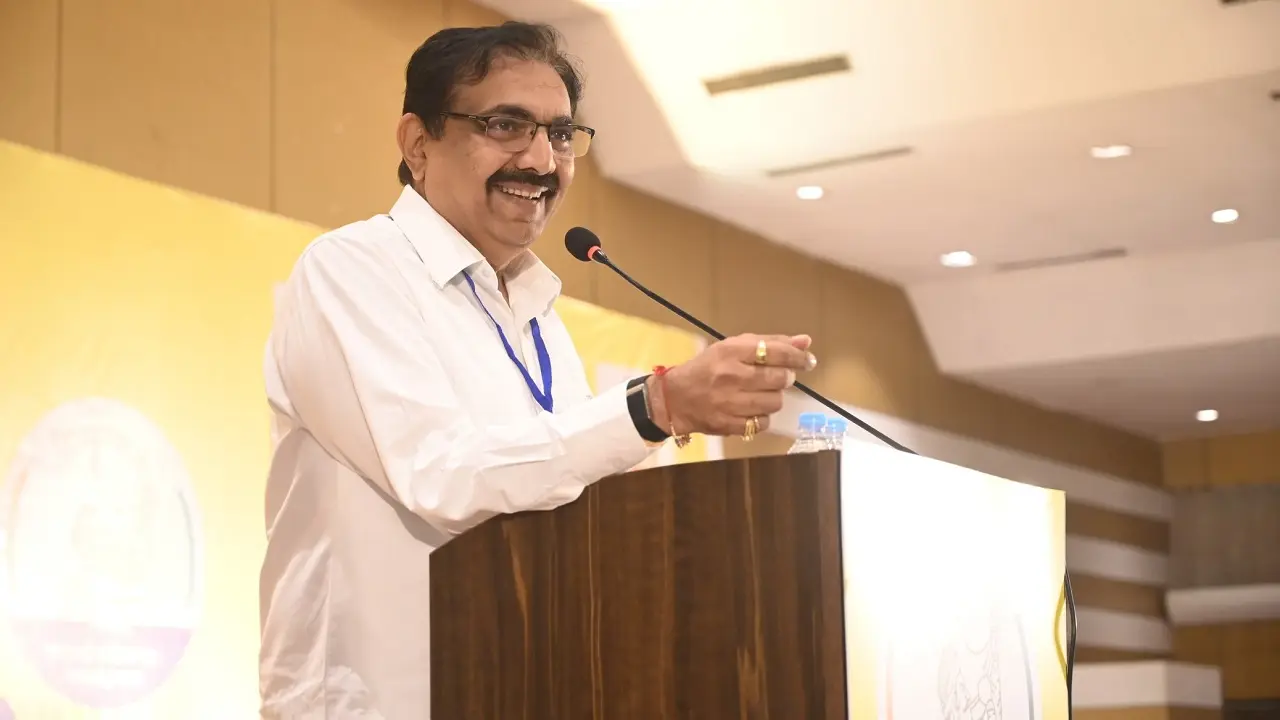
Pratap Sarnaik, State Transport Minister and Chairman of the Maharashtra State Road Transport Corporation (MSRTC), has directed officials to take concrete and comprehensive steps to reduce the corporation’s mounting financial losses in the 2025–26 financial year. Emphasising the need for immediate corrective action, Sarnaik outlined a clear roadmap aimed at strengthening the financial health of the state-run transport body.
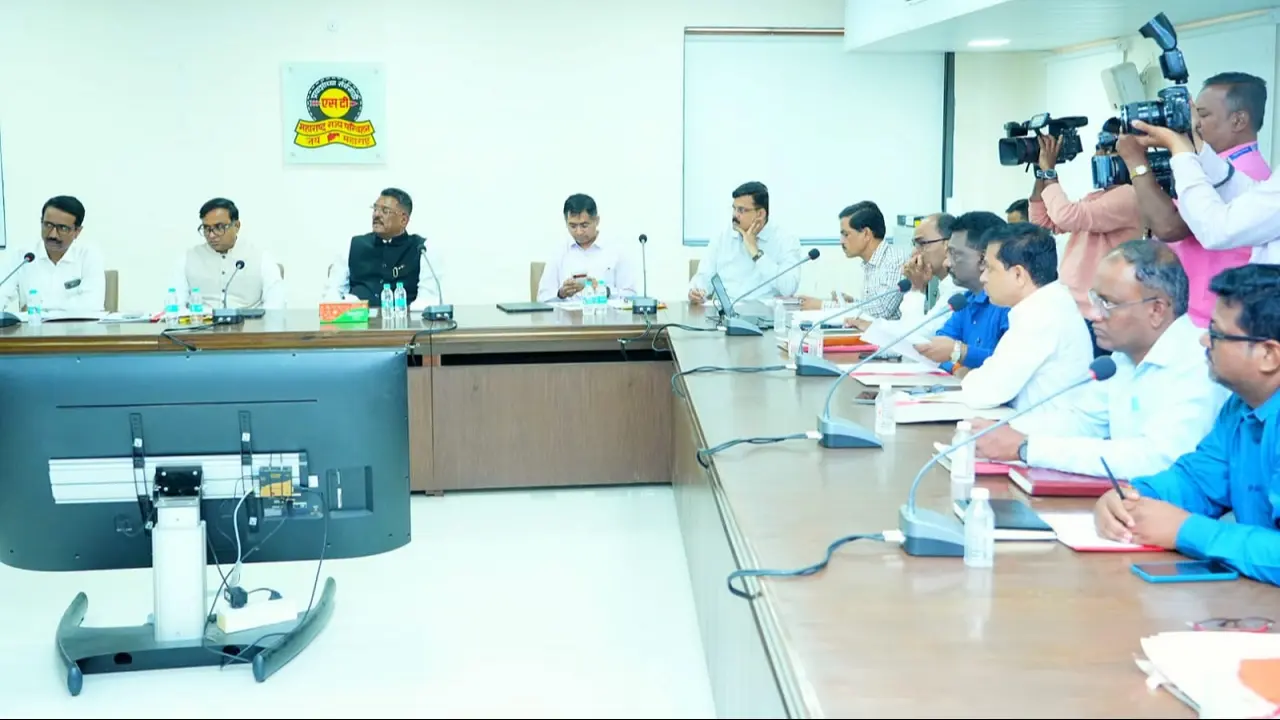
The directions were issued during a high-level review meeting at the MSRTC headquarters, attended by Vice Chairman and Managing Director Dr. Madhav Kusekar along with senior departmental officials.
Revenue-Expenditure Gap Raises Concerns
According to official data presented at the meeting, MSRTC generated an operational revenue of Rs 11,475 crore during the financial year, while total expenditure stood at Rs 12,066 crore. This resulted in a significant loss of Rs 591 crore.
Breaking down the figures further, the corporation earns an average of Rs 31.4 crore daily, whereas daily expenditure reaches approximately Rs 33 crore—leading to a recurring daily loss of around Rs 1.6 crore. Sarnaik stressed that narrowing this daily deficit of Rs 1.5 to Rs 2 crore must be treated as a top priority for the administration.
Only 8 Divisions Profitable, Majority Continue to Struggle
The financial strain is further highlighted by the performance of MSRTC’s 31 divisions across Maharashtra. Only eight divisions—Jalna, Parbhani, Buldhana, Bhandara, Gadchiroli, Akola, Dhule, and Wardha—are currently operating in profit, while the remaining 23 divisions continue to incur losses.
The minister expressed serious concern over the deteriorating financial performance of major divisions such as Nashik, Kolhapur, Nagpur, Ratnagiri, Satara, and Thane, which have consistently reported deficits despite their operational importance.
Call for Strategic Planning and Accountability
Sarnaik underscored the importance of scientific transport planning and optimal utilisation of buses and manpower to improve efficiency. He instructed officials to conduct a thorough analysis of loss-making divisions, identify underlying issues, and implement targeted corrective measures.
He also emphasised the need to appoint capable and efficient officers in key divisions that have been persistently underperforming, noting that leadership plays a critical role in turning around financial performance.
Nagpur Division Under Scanner
Expressing dissatisfaction over continued losses in the Nagpur division for the past two years, Sarnaik flagged administrative lapses, particularly the appointment of non-executive divisional controllers.
“Officers without financial and statutory authority cannot effectively manage operations. Such appointments weaken administrative control and must be reviewed,” he said, adding that strong and empowered leadership is essential for operational stability.
Comprehensive Reform Plan on the Anvil
The minister indicated that a broader reform strategy will soon be rolled out, focusing on administrative discipline, resource optimisation, and enhanced accountability mechanisms. The plan aims to ensure long-term financial sustainability and improved service delivery across MSRTC’s network.