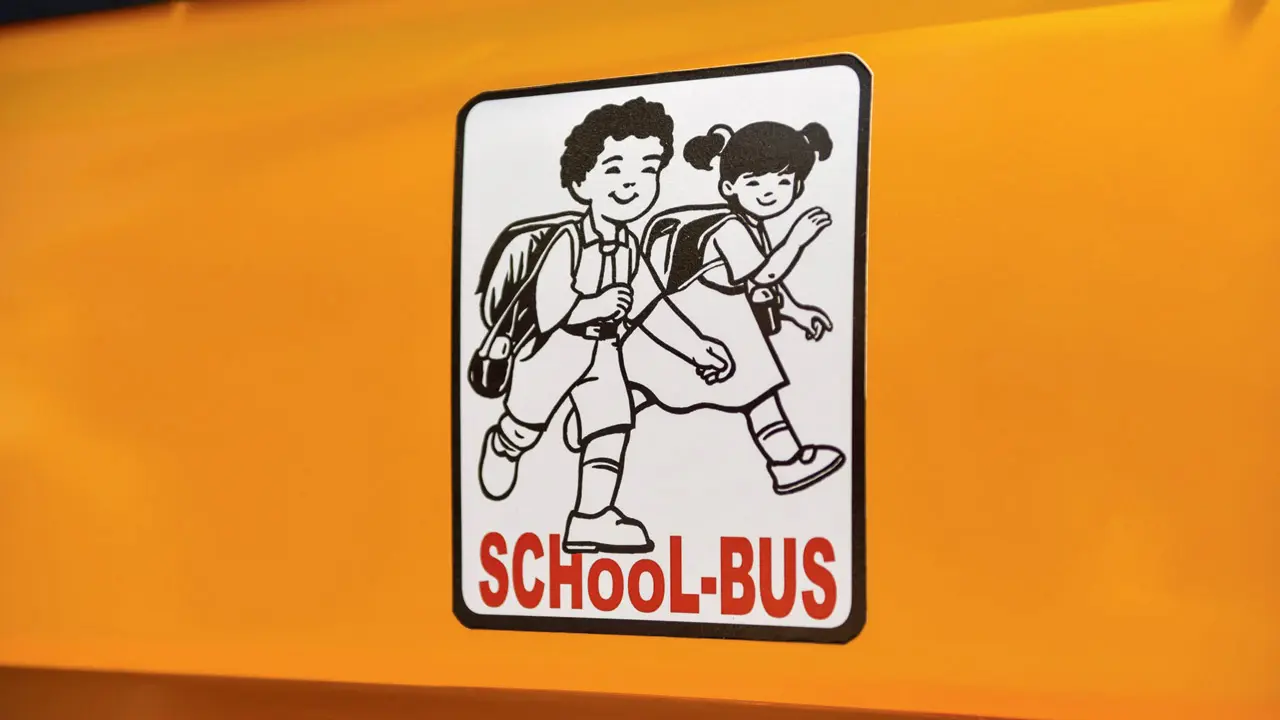
The state government’s recently proposed draft regulations for school bus operations have encountered significant opposition from Mumbai-based service providers regarding the transition to a monthly fee structure.
Payment concerns
Members of the Mumbai School Bus Association say moving away from annual advance payments could disrupt operations and create uncertainty. “Diesel, driver fares, maintenance, all come into question when it comes to operating school buses. When will the parents pay, and when will we operate the system? Moreover, what happens if a parent does not pay on time? If school fees are annual, why are school bus fees monthly?” said Anil Garg, Head of Mumbai School Bus Owners’ Association.
Timing issue
Operators also flagged practical challenges, noting that several CBSE schools have already resumed, and many parents have paid annual bus fees. They said implementing monthly payments mid-academic cycle would be difficult and could lead to confusion among parents and service providers.
Safety costs
As per the draft, bus fares will come under the Regional Transport Authority, which will fix a base fare per kilometre per student. The rules also mandate installation of the Digital Safety Monitoring System, Vehicle Location Tracking Device (VLTD), Fire Detection and Alarm System (FDAS), and panic buttons.
“Most of these norms are redundant, as school bus companies already conduct POCSO training for drivers, hold regular meetings with PTAs, and comply with existing safety standards,” Garg added. “Furthermore, the required equipment can be procured for significantly less from independent vendors, where servicing is also more affordable. The new draft simply polarises parents.”