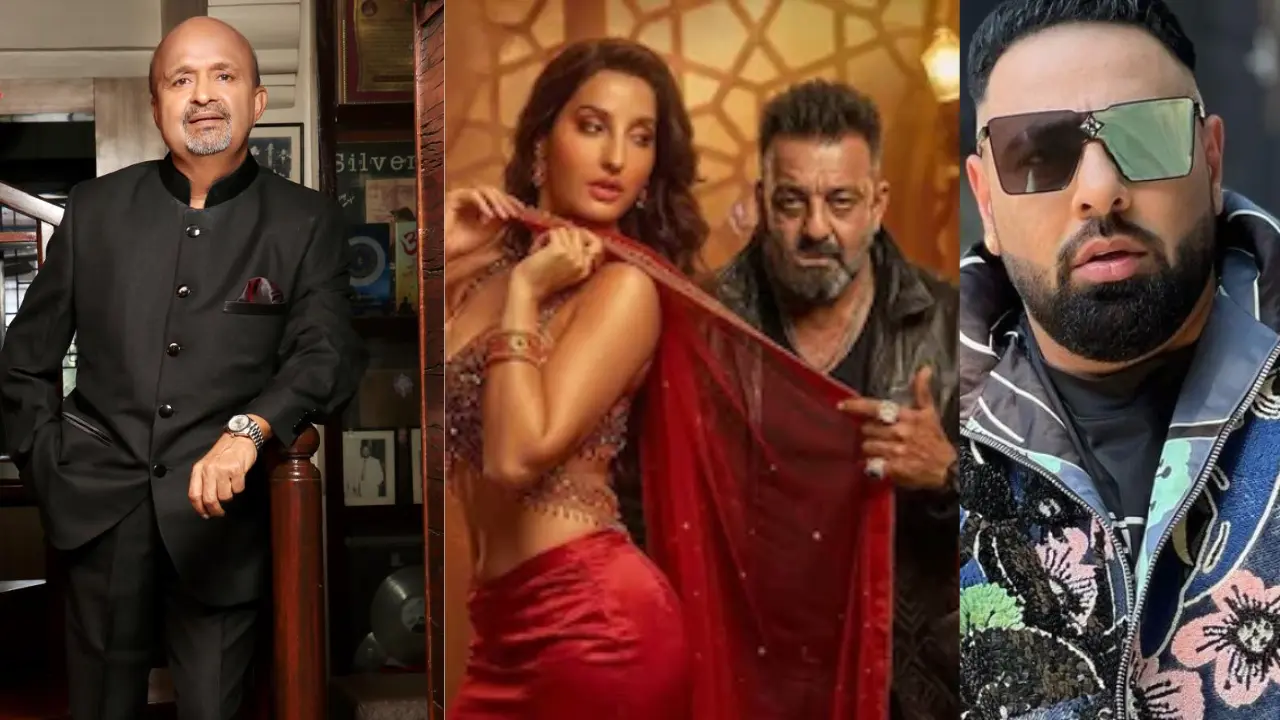
Veteran lyricist Sameer Anjaan has weighed in on the ongoing debate around lyrics, vulgarity, and creative freedom in the music and film industry, amid recent controversies involving songs by Nora Fatehi and Badshah. In an exclusive conversation with mid-day, the celebrated songwriter spoke candidly about the changing landscape of music and his vision for the future.
Sameer Anjaan gets candid about the controversy
Reflecting on the current state of the industry, Sameer pointed out a noticeable slowdown in quality output. “There are very few films being made. And there is a slight deterioration in music. People are not getting good work anywhere,” he said. This concern, he revealed, inspired him to take matters into his own hands. “So thinking about this, I saw a dream of a music company. And I am trying to take it forward… I will keep trying that from all over the world, by creating a new platform, to people all over the world, to the creators, to people who want to do good work, we want to connect them to this. And we promise them that we will take their music to the whole world, we will take their work to the whole world.”
Addressing the growing use of abusive language in OTT content and Hindi films, Sameer questioned the boundaries of creative freedom. “This reality on OTT and in Hindi films, the abusive language that is being used what does it mean? Why is it happening? In the name of creative liberty… if that is creative liberty, then take it. What is wrong with that?” he remarked, drawing a parallel with music. “If in songs you call it creative liberty, then if there is vulgarity in the songs, then take it as creative liberty.”
Reacts to use of abusive language in songs and series
He further elaborated that such content often reflects certain sections of society. Stressing on Badshah`s controversy, “If in society they pass it like this, that there are some characters who use abusive language, then okay. There are some characters who want to see such vulgar things and want to listen to double meaning songs, then give it to them as creative liberty. What is wrong with that?” he said, before raising a critical concern: “The question is not of the giver. The question is why is there no restriction on these things? Why not? And if everything is open, then how can it be stopped? Who will stop it?”
Sameer also highlighted issues with regulation and timing. “The film that is being made, people don’t know what is being made, how it is being made, and why it is being made. Okay, it is being made, it has come, it has been passed… it has been released. After that you put restrictions on it what is the purpose?” he questioned, adding, “Today in the digital world, one thing has come, it has come, it has become viral all over the world. Everyone has seen it. Now what is the point of putting restrictions?”
Defending lyricists in Nora Fatehi`s song, he stressed that responsibility often lies elsewhere. “If I write bad songs with my brand, then you can blame me, because everything is in my hands. I am creating it myself, I am releasing it myself, my own company,” he explained. “A writer who has written for a film, written for a director, written for a producer how did they pass? So why are you blaming the writer again and again? There is no blame on them. The one who got it done, he is the first culprit.”
Through his remarks, Sameer Anjaan not only addressed the controversy but also called for a more nuanced understanding of accountability and creative freedom in today’s rapidly evolving entertainment landscape.