I am shocked to see how many renowned restaurants still use plastic containers. I know the backend economics of it, and it doesn’t really cost that much to go green,” sighs environment economist and restaurateur Rashmit Arora. A Master of Science graduate in Energy, Environmental, and Food Economics from Penn State University, Arora runs the planet-friendly chain of Gracias Granny cafés in the city with his childhood friend Rajanvir Dharni.
Rashmit Arora
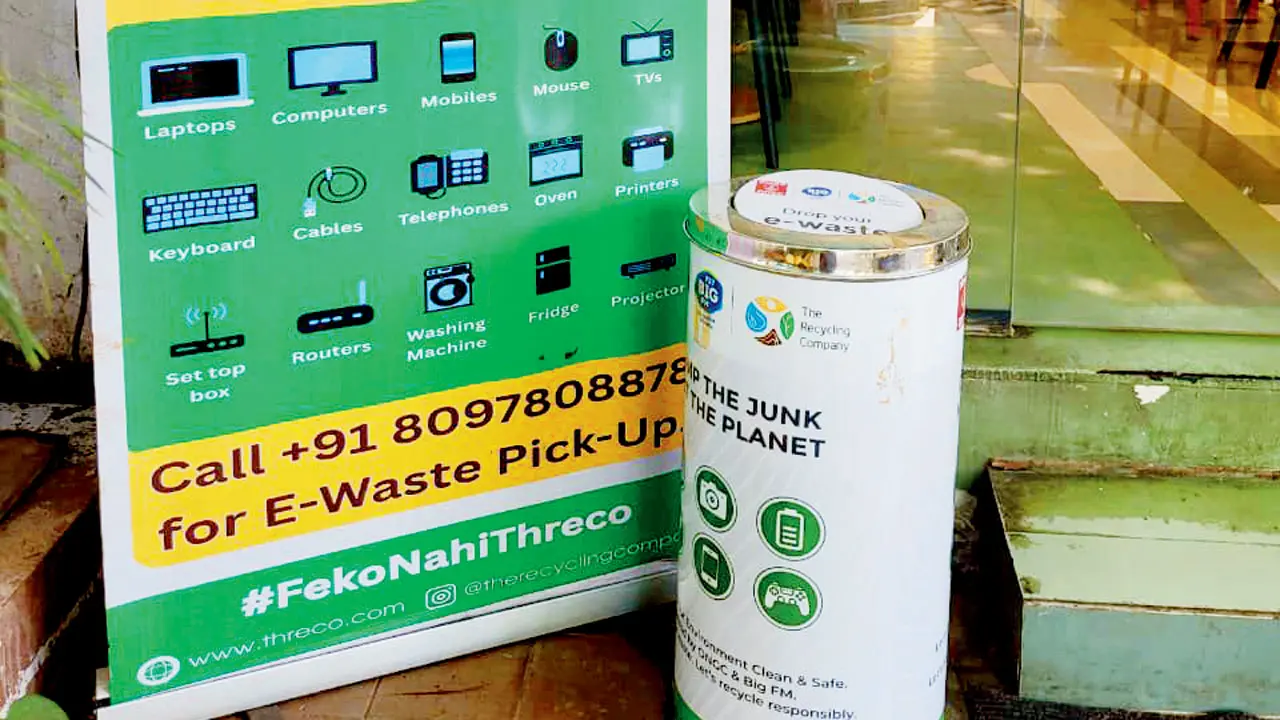
This Earth Day (April 22) the café kicked off a month-long e-waste collection drive across its three outlets in Belapur, Chembur and Santacruz. In collaboration with The Recycling Company, the collection efforts are slowly gathering steam. If saving the planet isn’t reason enough, the café is handing out quirky environment-themed stickers that will make you a certified green warrior.
TILL May 22
AT Gracias Granny, RNA Classic, SV Road, Santacruz; Sun City Building, Sector 15, CBD Belapur; Gayatri Building, Chembur.
LOG ON TO @gracias_granny
Lessons from the kitchen
Beyond the initiative, here’s how the duo runs a planet-before-profit restaurant in Mumbai
Pack it right
Plastic out, bagasse in. Most of the packaging uses biodegradable bagasse or paper. The restaurant also encourages patrons to bring their own boxes from home for a discount on the bill.
Plants first
Turning the norm on its head, the café offers plant milk options as the default option at reasonable prices, and charges a premium for cow’s milk. Dairy cream is substituted with cashew paste. Arora reveals that producing cow’s milk requires 10 times the water (for irrigation of fields, feeding cattle), as compared to oat milk.
Second chances
Used cooking oil from the kitchen is processed into International Sustainability and Carbon Certification-certified biodiesel.
Potted plants at the Santacruz outlet
48 to 60
Litres of water needed to produce one litre of oat milk
600
Litres of water needed to produce one litre of cow’s milk
Data doubts
If you’ve been hoarding old devices for the fear of your precious data falling into wrong hands, learn how e-waste is recycled
1. Segregation: The collected devices, cables, and hard drives are sorted by material
2. Shredding: A drill machine is driven through components to make data unreadable.
3. Dismantling: The device is dismantled and individual components are sent ahead for safe recycling
Clean sweep
The collection bin accepts household e-waste like
» Laptops
» Mobile phones
» Peripherals like mouse, keyboard, printer
» Old cables
Stickers from the eco-friendly initiative
Why should you care?
» All electrical appliances contain heavy metals like lead and mercury, and chemical compounds like Brominated Fire Retardants (BFR, a material that prevents fire hazards).
» When these materials meet medical bio-waste and wet waste in landfills, chemical reactions produce toxic compounds that contaminate soil and water, making their way into your home.