The Maharashtra government has approved special incentives for five large and ultra-large industrial projects worth a combined Rs 89,731 crore, aiming to strengthen investment, employment generation and industrial infrastructure in the state, an officials statement said on Tuesday.
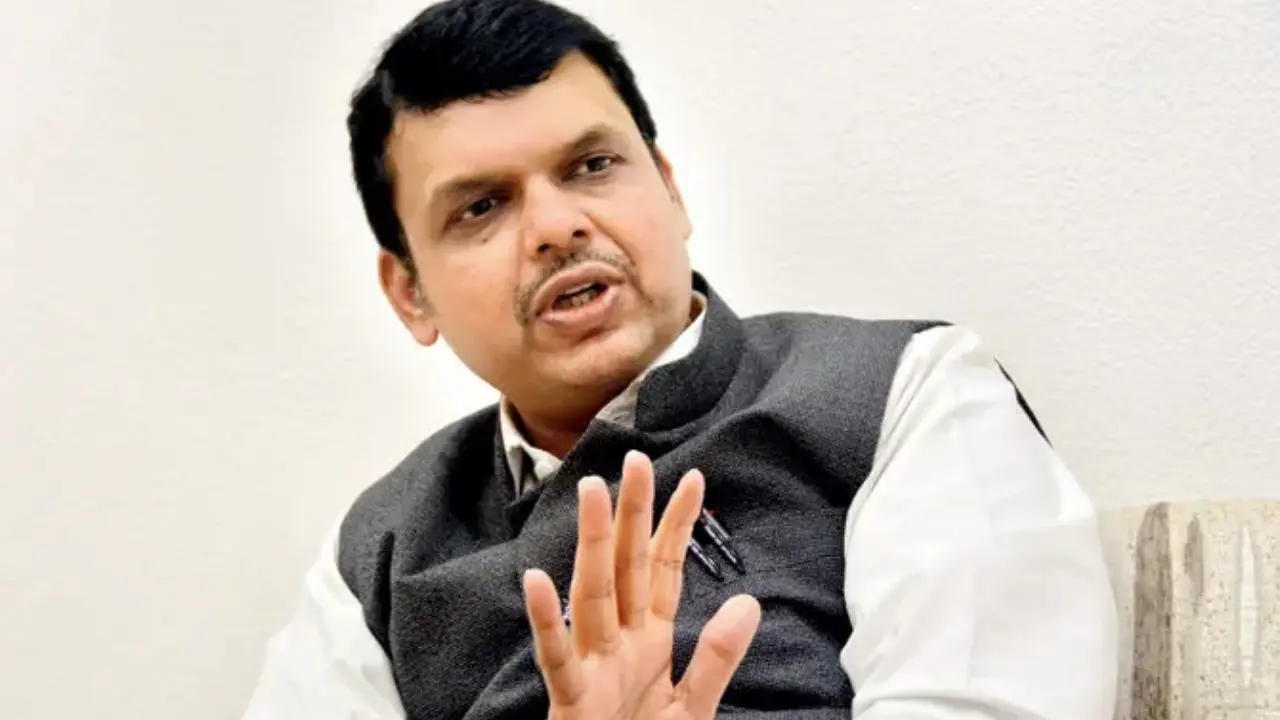
Chief Minister Devendra Fadnavis announced the decision after a meeting of the Industries Department Cabinet Sub-Committee held in Mumbai.
The projects are expected to generate around 20,000 direct and indirect jobs across Maharashtra.
The approved projects include sectors such as coal gasification and downstream derivatives, solar cell modules, ingots, wafers and panels, electric steel, PET tyre cord, and synthetic graphite anode materials.
Officials said the investment will help expand Maharashtra’s presence in advanced manufacturing and future-focused industries.
Incentives under industrial policy
The projects have been cleared under the state’s industrial policy, which offers incentives through the Group Incentive Scheme to attract large-scale investment.
A special committee headed by the Chief Minister has been formed to approve incentives for mega and ultra-mega projects, ensuring faster industrial development and job creation.
The government said the projects will benefit regions including Vidarbha, Marathwada and Nashik, helping balance industrial development across the state.
Apart from direct employment, the projects are expected to create indirect jobs in supporting industries, logistics and supply chains.
Support for MSMEs and Skill Development
The officials said the investments will also help develop local business ecosystems and encourage small and medium enterprises.
Training and skill development opportunities are expected to increase for young people, particularly in high-technology sectors, improving employability in emerging industries.
Meeting attended by senior leaders
The meeting was attended by Deputy Chief Minister Eknath Shinde, Deputy Chief Minister Ajit Pawar, Industries Minister Uday Samant, Chief Secretary Rajesh Aggarwal and senior officials from the Industries Department and MIDC.
AI-based wildlife alert system in 1,000 villages
Meanwhile, the state has approved a major Rs 260 crore action plan aimed at reducing human-wildlife conflict across the state, including the installation of artificial intelligence-based alert systems in 1,000 villages, an official said.
Maharashtra Forest Minister Ganesh Naik announced the decision during a meeting of the State Wildlife Board’s standing committee held at the Mantralaya in Mumbai on Tuesday.
Under the project, AI-based warning systems will be installed in villages located near forest areas to alert residents about the movement of wild animals.
The technology has already been tested on a pilot basis in some locations and was found to be effective in informing villagers quickly about the presence of wildlife outside forest zones, officials said.
Officials said the system would help residents remain alert and reduce attacks on humans.
Ten advanced control rooms to be set up
The Forest Department will also establish ten modern control rooms across different parts of the state, modelled on police control centres.
These centres will use digital systems to monitor forest department resources, vehicles and patrol teams.
In the event of a human-wildlife conflict situation, the control rooms will immediately alert concerned authorities and coordinate emergency action.
Rescue centres and treatment facilities planned
The government has approved the construction of two rescue centres for captured wild animals.
In addition, ten transit treatment centres will be established to provide medical care to injured or rescued animals.
Forest officials said these facilities would improve wildlife rescue and rehabilitation efforts in Maharashtra.