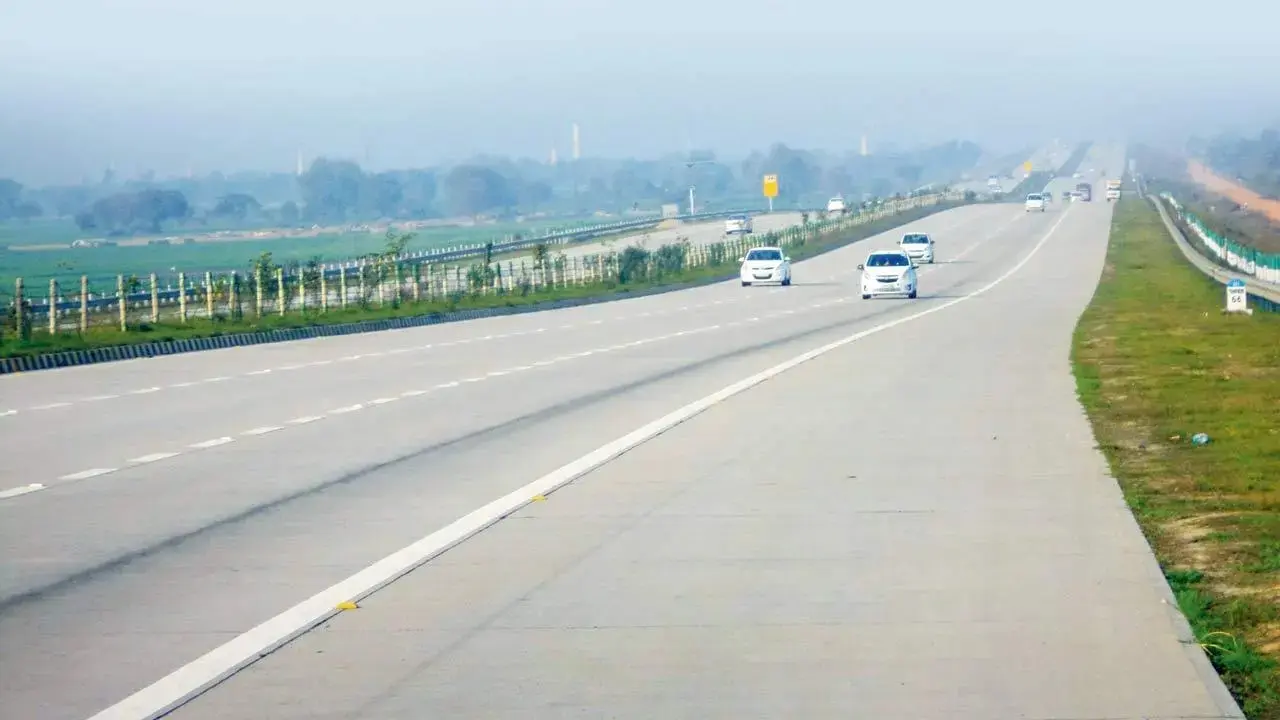
While many are eagerly awaiting the opening of the Mumbai-Pune Expressway Missing Link project, officials from the Maharashtra State Road Development Corporation told Mid-Day that, if all goes as planned, the route is likely to open to the public by late evening on Thursday. However, if there is a delay in dismantling the pandal erected for the inauguration, the Missing Link may instead be opened on the morning of May 2.
An MSRDC official said, “We are making every effort to open the Missing Link project to the public by late evening on May 1. However, if the dismantling of the inauguration pandal is delayed, the opening may be pushed to May 2.”
Once operational, the new stretch – developed by MSRDC – will bypass the accident-prone ghat section, easing congestion and reducing travel time by approximately 30 minutes. This will offer a faster and smoother journey for commuters. The stretch will be toll-free.
The recent traffic jam on the Mumbai-Pune Expressway became a major talking point, with many commuters criticising authorities over delays in clearing the congestion.
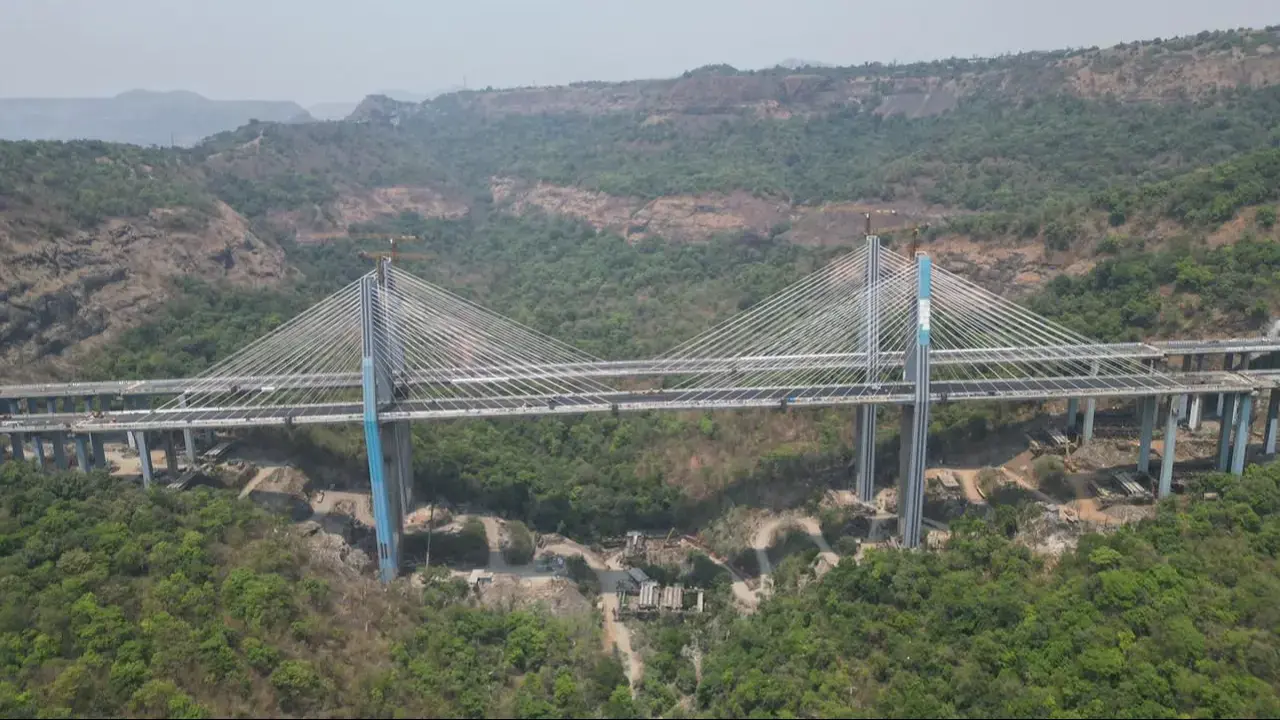
The project comprises two tunnels measuring 1.68 km and 8.87 km in length, with a width of 23 metres – among the widest in the world – constructed by Navayuga Engineering Company. Additionally, two cable-stayed bridges measuring 650 metres and 950 metres were built by Afcons Infrastructure.
IMPRESSIVE NUMBERS
– 13.3 km: Length of Mumbai–Pune Expressway stretch between Khopoli exit and Kusgaon
– 19 km: Distance between Lonavala and Khopoli exit
– 1.68 km: Length of Tunnel I
– 8.87 km: Length of Tunnel II
– 23.5 m: Width of each tunnel
– 1.6 km: Combined length of both viaducts
– 184 m: Height of the tallest pylon of the cable-stayed bridge
– 6 km: Distance reduced due to the new stretch
– 30 minutes: Travel time saved by avoiding the ghat section
– 5.86 km: Length of expressway being widened as part of the project
BENEFITS
– Saves time and fuel while improving commuter safety
– Ensures smoother travel due to a flatter gradient
– Enables seamless traffic flow
– Helps prevent bottlenecks at toll plazas
SPECIAL TECHNOLOGY USED
– Cable bridge models tested in international facilities
– Water mist system in tunnels
– Fire hydrant system
– Supervisory Control and Data Acquisition (SCADA) system
– Intelligent Traffic Management System (ITMS)
– SOS and emergency response system
– Surveillance cameras
– Linear heat detection fire system
– Voice evacuation system in tunnels
– Advanced tunnel ventilation system
– Use of Doka formwork for 180-metre pylon construction
– Cantilever form traveller for deck slab construction
– Ultra-high-performance fibre-reinforced concrete girders
– Epoxy asphalt-modified concrete works