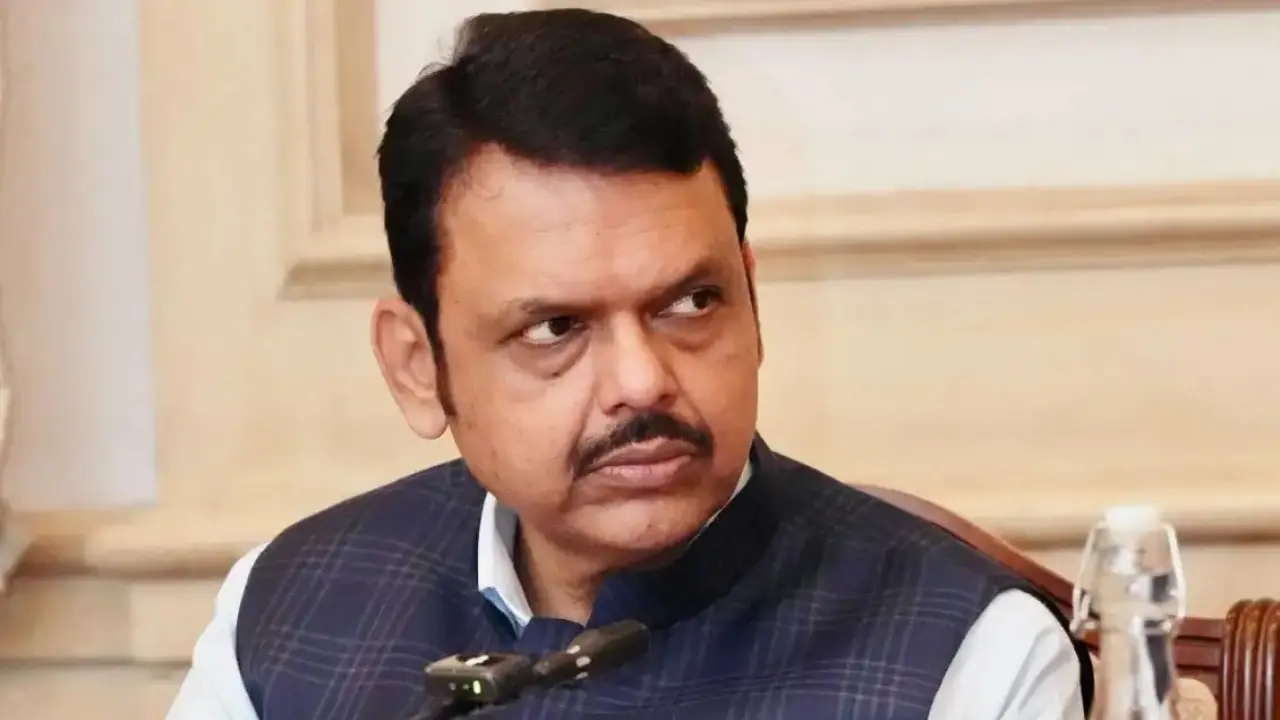
Maharashtra Chief Minister Devendra Fadnavis on Wednesday said Maharashtra has intensified its efforts to prevent the spread of Japanese encephalitis, with a renewed focus on vaccination, surveillance, and public awareness campaigns across vulnerable regions, reported PTI.
In an official statement, the Chief Minister emphasised that safeguarding public health remains the government’s top priority and called for coordinated action from all health departments to ensure effective disease control.
State Strengthens Preventive Measures
Fadnavis said the state has ramped up preventive strategies, including vaccination drives, mosquito control measures, and awareness programmes aimed at reducing the risk of infection, reported PTI.
He noted that although vaccination efforts for Japanese encephalitis had begun in several states around 2015–16, Maharashtra initiated its programme later after identifying cases in parts of the Vidarbha region. Following coordination with the Centre, the state launched immunisation efforts that have significantly reduced the number of cases, reported PTI.
Cases Remain Low but Vigilance Continues
According to official data, the number of cases in Maharashtra has remained relatively low in recent years. The state reported two cases in 2022, five in 2023, five cases with two deaths in 2024, and seven cases with one death in 2025. No cases have been reported so far in 2026, reported PTI.
Officials said districts in Vidarbha — including Nagpur, Bhandara, Chandrapur, and Gadchiroli — remain the most vulnerable due to environmental conditions favourable for mosquito breeding.
Strong Progress in Vaccination Coverage
The state has recorded significant progress in its vaccination campaign between April 2025 and February 2026. Officials reported that 89.26 per cent of the target population has received the first dose, while 78.68 per cent has been covered with the second dose, reported PTI.
Districts such as Dharashiv, Latur, and Solapur have achieved high coverage. However, relatively lower uptake of the second dose has been observed in Raigad, Pune, and parts of Pimpri-Chinchwad, reported PTI.
Healthcare Infrastructure and Surveillance Expanded
To strengthen diagnosis and treatment, the state has established sentinel surveillance centres in key locations, including Nagpur, Gadchiroli, Sevagram in Wardha, Bhandara, and Gondia. Additionally, paediatric intensive care units have been set up in 16 districts to handle severe cases.
Authorities are also implementing multiple control measures such as fogging operations, monitoring mosquito species, releasing larva-eating fish in breeding areas, and conducting sanitation drives.
Public Advisory Issued
Health officials have urged citizens, particularly parents of young children, to ensure timely vaccination and adopt precautions against mosquito bites. They have also advised seeking immediate medical attention in case of fever, seizures, or neurological symptoms, reported PTI.
Japanese encephalitis is a serious infection that affects the brain and can lead to long-term complications or death in severe cases. Officials said sustained vigilance and community participation are key to keeping the disease under control in Maharashtra.
(With inputs from PTI)