The Maharashtra government has approved development and conservation projects worth Rs 993.72 crore for pilgrimage centres, forts and historical sites across the state.
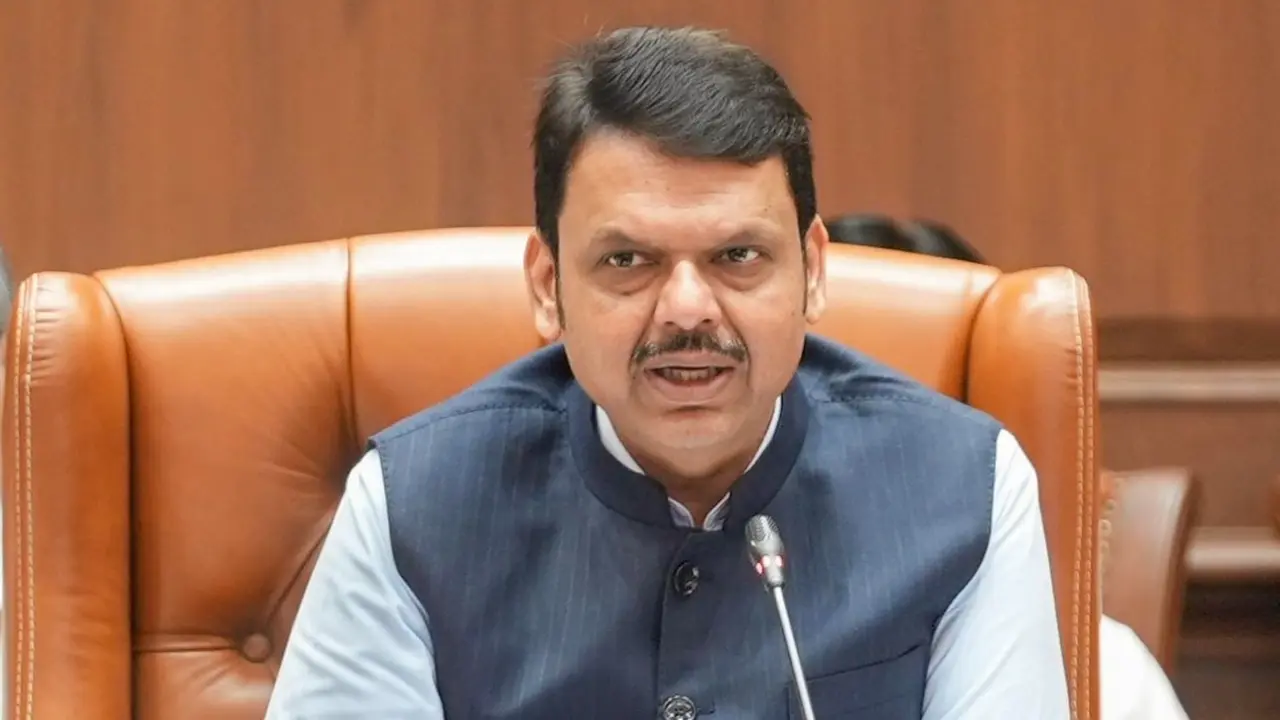
The decision was taken by an apex committee chaired by Maharashtra Chief Minister Devendra Fadnavis on Monday. The projects focus on preservation of heritage structures, tourism infrastructure development and improved facilities for pilgrims and visitors.
The approvals come even as the state government continues to stress financial prudence amid global economic uncertainties linked to the West Asia situation.
Major allocations announced for six heritage and pilgrimage projects
According to an official government release, the approved projects include Rs 172 crore for the Shri Kshetra Bhimashankar Adarsh Gaon Development project and Rs 41 crore for conservation works at the birthplace of Sant Tukaram Maharaj.
The government has also sanctioned Rs 134.80 crore for preservation and beautification of Ajinkyatara Fort and Rs 133 crore for the Sangam Mahuli Samadhi conservation project in Satara district.
In addition, Rs 210 crore has been approved for the development of the Grishneshwar Jyotirlinga Temple near Ellora, while Rs 301.54 crore has been allocated for development works at the Parli Vaijnath Jyotirlinga Temple.
Bhimashankar project to include roads, ropeway and tourism facilities
Under the Bhimashankar development plan, authorities will construct a modern bus station, parking facilities and upgraded road infrastructure aimed at easing traffic congestion in the temple area.
Officials said narrow roads measuring 2.7 metres will be widened to seven metres. The project also includes pedestrian pathways, covered corridors, temple flooring works and an amphitheatre within the temple premises.
Additional infrastructure planned for the area includes a sewage treatment plant, a new police station, rest house facilities and a proposed substation near the Dimbhe Dam region.
The government also plans to introduce a cable car facility and upgrade tourism infrastructure, including development of the MTDC Bhimashankar Resort and tourism amenities at Rajapur. The project is expected to be completed by May 2027.
Conservation work planned at Dehu and Ajinkyatara Fort
At Dehu, the birthplace of Sant Tukaram Maharaj, the state government will undertake conservation and beautification works at Bhandara Dongar and nearby religious sites.
The project includes improved sanitation systems, drinking water facilities, parking arrangements, accommodation for devotees and an information centre. Authorities also plan plantation drives and conservation of green zones around Bhandara Dongar.
Meanwhile, the Ajinkyatara Fort conservation plan includes restoration of historic structures and development of tourism facilities such as viewing galleries, landscaped pathways, suspension bridges, sanitation blocks and rest areas.
The revival of the Raj Sadar, conservation of bastions and development of tourist attractions are also part of the proposal.
Sangam Mahuli and Grishneshwar projects focus on heritage tourism
The Sangam Mahuli project includes restoration of the samadhi sites of Tarabai, Yesubai and Shahu I.
Officials said the area will be developed into a major tourist destination through restoration of the historic Sangameshwar Temple, ghats, pathways and viewing galleries. Plans also include a new hanging bridge and improved public amenities.
For the Grishneshwar Jyotirlinga Temple project, the state has approved a revised development blueprint with an additional allocation of Rs 53.82 crore. The plan includes modern devotee accommodation, queue management complexes, shopping areas, ghats and a new bypass road.
Parli Vaijnath temple development to be completed in phases
The largest allocation has been approved for the Parli Vaijnath Jyotirlinga Temple development project, which will be implemented in three phases.
Phase 1 focuses on improvements within the temple complex, including grand entrance gates, digital queue systems, waiting halls, a community kitchen, yoga and meditation centres and beautification works.
Phase 2 includes restoration of sacred water bodies, construction of ghats, cycling tracks, accessible facilities for persons with disabilities, food courts and CCTV surveillance systems.
Phase 3 centres on the development of Meru Parvat, where authorities plan to install a large statue of Lord Shiva along with a Shiv Purana and Vedic museum, amphitheatre, laser light-and-sound shows and meditation spaces.
Maharashtra Chief Minister Devendra Fadnavis directed officials to ensure timely completion of all approved projects and asked departments to expedite execution of the development works.