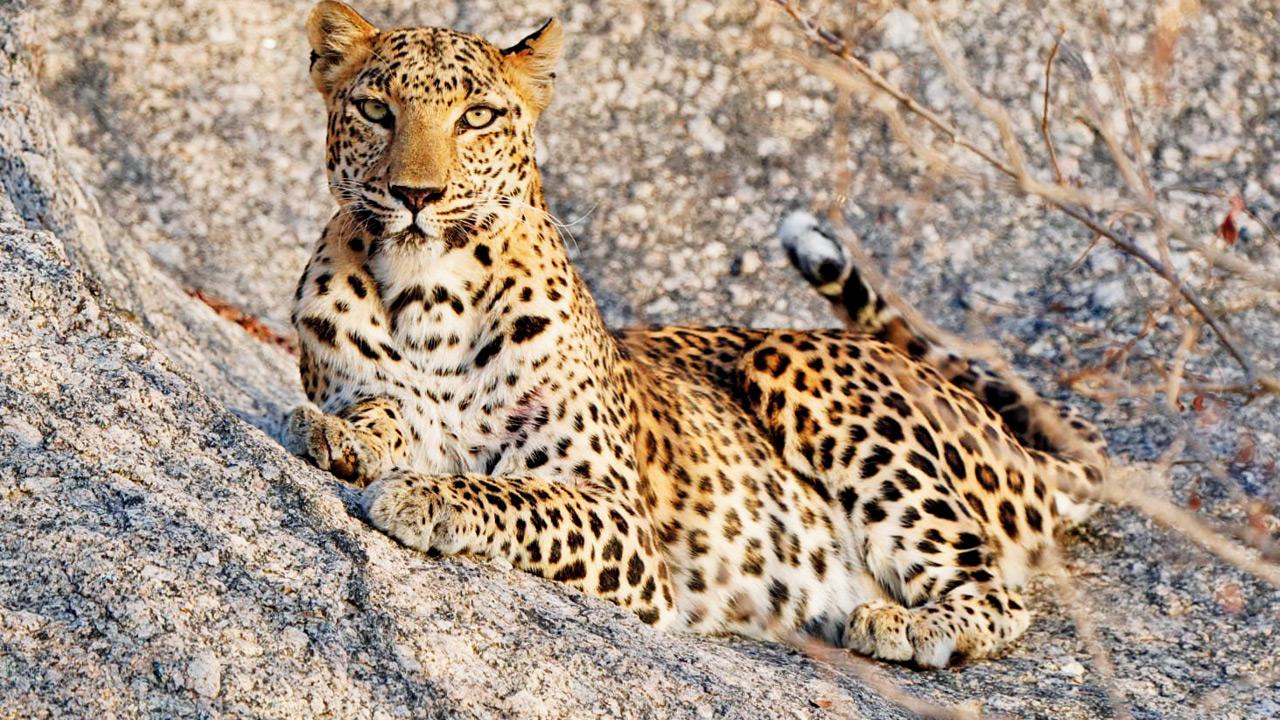
To address misconceptions that portray leopards as villains in human-leopard conflict zones, an exposure visit was organised to Jawai in Rajasthan, a region known for its model of human-leopard coexistence.
Public representatives from Maharashtra’s sugarcane belt regions that have witnessed human-leopard conflict were taken to the Jawai Leopard Safari to showcase relatively peaceful coexistence. The visit was aimed at demonstrating how leopards can be seen as an asset rather than a liability.
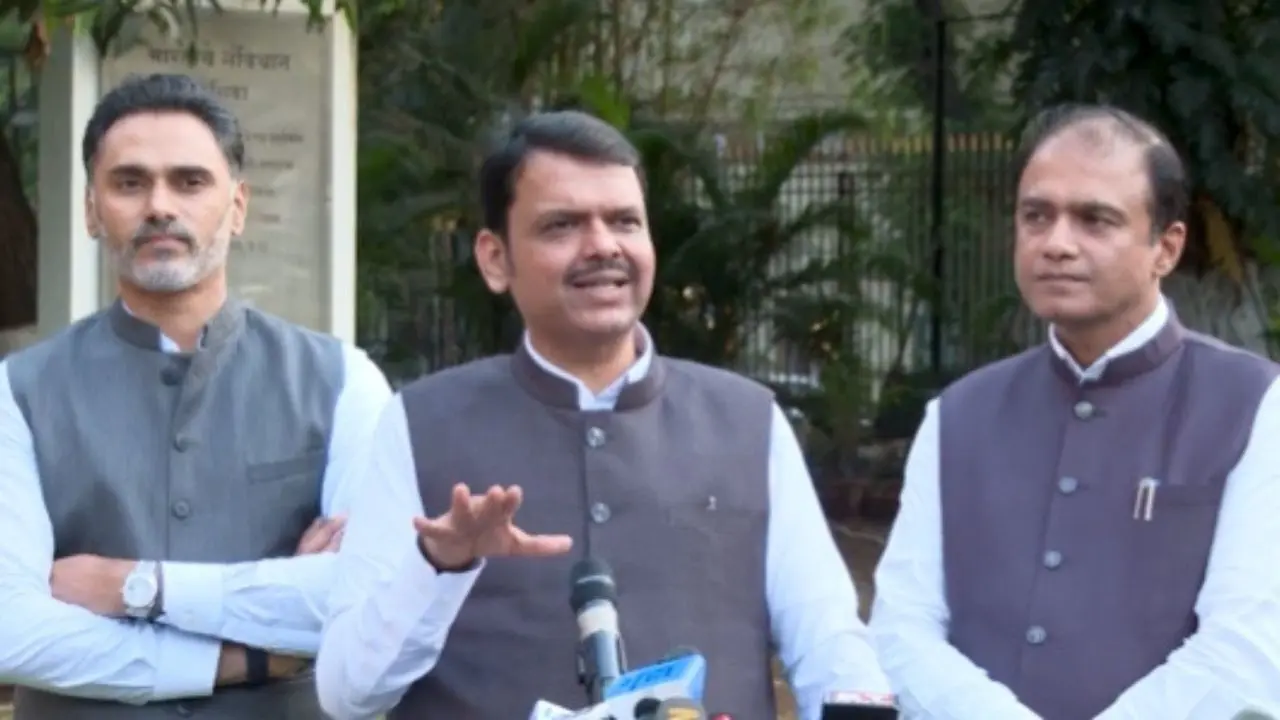
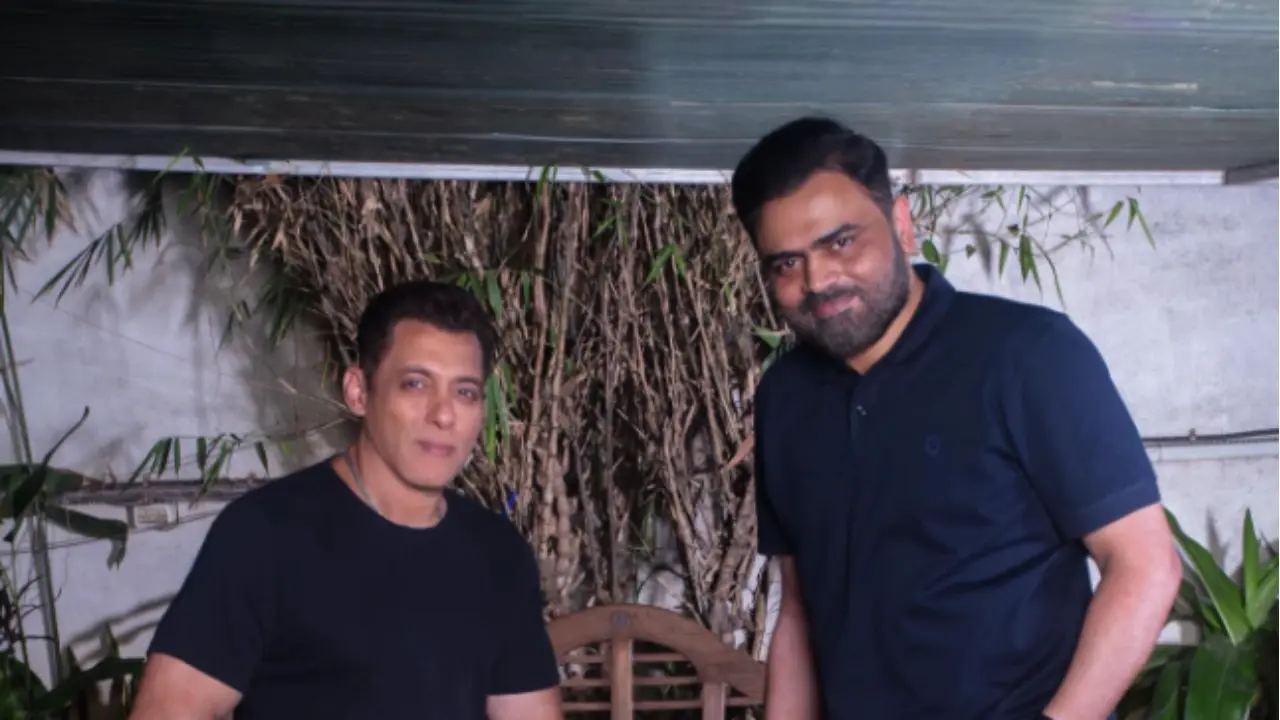
Maharashtra legislators Amol Khatal (left) and Sharad Sonawane (right)
Districts such as Nashik, Pune, and Ahilyanagar have reported instances of human-leopard conflict, including fatalities and injuries. Residents in these areas have also staged protests against the state forest department and the government, alleging inadequate measures to mitigate the conflict.
Man behind the idea
Praveen Pardeshi, the chief minister’s chief economic advisor, who is known for his interest in wildlife conservation and played a key role in protecting several areas in Maharashtra during his tenure as forest secretary, was instrumental in planning the exposure visit.
“The exposure visit was aimed at changing perceptions of leopards from being seen as threats to valuable assets, and by understanding and respecting their behaviour, coexistence becomes possible, as demonstrated in Jawai, an approach that can be replicated in Nashik, Pune, and Ahilyanagar to reduce conflict while creating sustainable livelihood opportunities,” said Pardeshi. The Habitats Trust played a key role in planning this visit.
MLA Speak
Junnar MLA Sharad Sonawane said, “Our exposure visit to Jawai in Rajasthan has completely changed our perspective on leopards. We observed how they can become an asset for local communities by generating livelihoods through homestays and safari tourism. We would welcome similar initiatives being implemented in the Junnar region.”
Praveen Pardeshi, chief economic advisor to CM Devendra Fadnavis. FILE PIC/SHADAB KHAN
Ashish Thakare, chief conservator of forest, Pune, told mid-day, “A similar model could be developed in Junnar, integrating leopard-based tourism with other attractions such as forts and temple tourism to create a broader visitor experience.”
The visitors
Cabinet Minister Radhakrishna Vikhe Patil; MLAs Dilip Walse Patil, Amol Khatal, Kashinath Date, Sharad Sonawane, and Vithalrao Langhe; along with Chief Conservator of Forest Dr Jitendra Ramgaonkar, Chief Conservator of Forest G Mallikarjun, and Conservator of Forest Ashish Thakare, visited the sanctuary. All of the public representatives hail from districts that have reported cases of human-wildlife conflict.
Voice
Rushikesh Chavan, director, The Habitats Trust
‘Capturing leopards is a temporary fix, not a solution. True resolution comes from designing landscapes where humans and wildlife can safely coexist. As seen in Jawai, the goal is to turn potential conflict into a shared resource, moving beyond the struggle and finding ways to turn a common challenge into an opportunity’