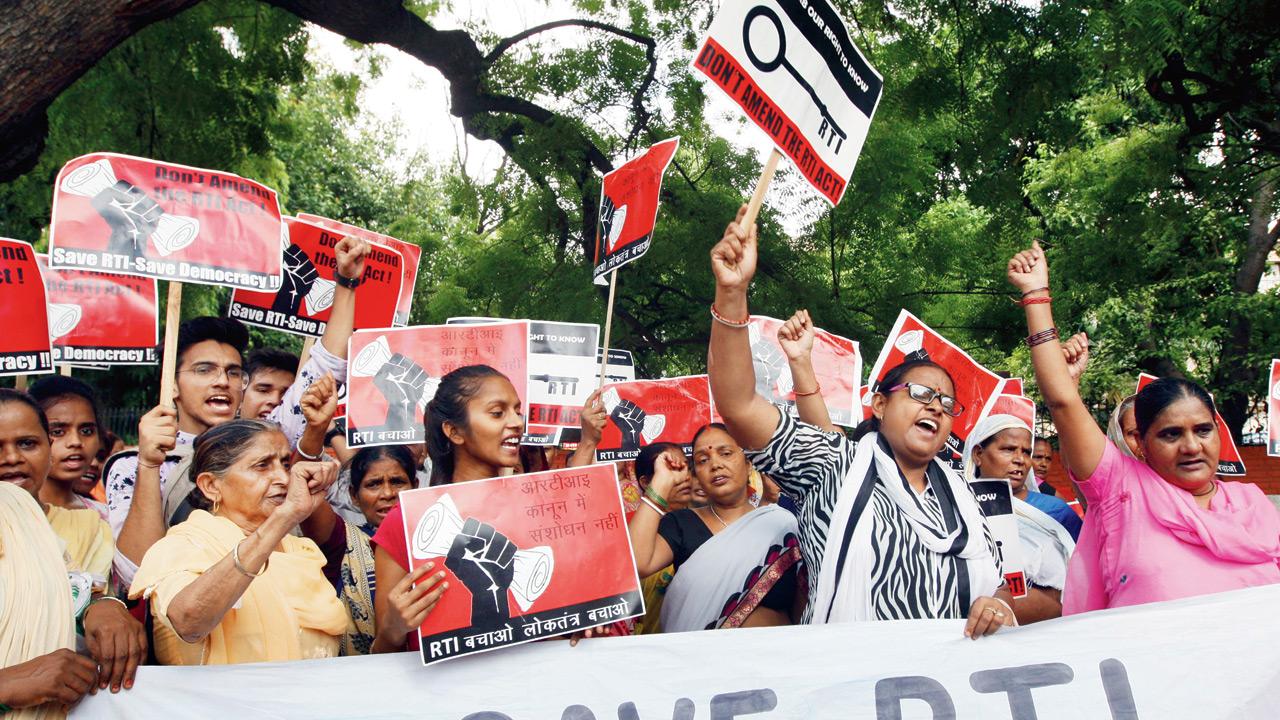
A public interest litigation filed in the Supreme Court challenges key provisions of the Digital Personal Data Protection (DRDP) Act, 2023 and its 2025 Rules, arguing that they undermine the Right to Information framework and fundamental rights. Filed under Article 32, the petition seeks to strike down Section 44(3) of the Act, along with several other clauses and rules, as unconstitutional.
About the amendment
What is being challenged
Law: Digital Personal Data Protection Act, 2023
Rules: Digital Personal Data Protection Rules, 2025
Key provisions questioned
>> Section 44(3)
>> Sections 17(1)(c), 17(2), 33(1), 36
>> Rules 17 and 23(2)
Core issue: RTI amendment
At the centre of the petition is the amendment to Section 8(1)(j) of the RTI Act
Earlier rule
Information could be denied only if
>> It had no link to public activity
>> Disclosure invaded privacy
>> And there was no larger public interest
After amendment
The petitioner says these safeguards are removed, enabling authorities to reject requests more broadly on “personal information” grounds
Fundamental rights concerns
The plea argues the change violates:
Article 19(1)(a): Right to information and free speech
Article 21: Right to know and informed participation
It also claims the amendment
>> Restricts free speech disproportionately
>> Treats public officials’ privacy like that of private citizens
>> Undermines decades of transparency jurisprudence
Other provisions challenged
The petition raises concerns that the Act:
>> Allows broad exemptions from its scope
>> Gives the Centre wide powers over the Data Protection Board
>> Imposes penalties for “significant” data breaches without defining the term
>> Enables executive dominance in Board appointments
>> The plea argues these weaken institutional independence and oversight
Why RTI system may change
The amendment may allow authorities to deny information by classifying it as personal data, reducing accountability
Petitioner Speak
Venkatesh Nayak, human rights activist and petitioner
The amendments weaken the balance between the right to know and data protection, and risk placing information about public officials’ duties beyond scrutiny
Former CIC says…
Shailesh Gandhi, RTI activist and former Central Information Commissioner
The DPDP Act risks turning RTI into a ‘Right to Deny Information’. While wrongful denial under RTI attracts a penalty of Rs 25,000, disclosure barred by the DPDP law can invite fines up to Rs 250 crore, creating strong incentives to refuse information.
Nov 2025
Month RTI amendment was brought into force