The Maharashtra government has imposed a moratorium on issuing new auto-rickshaw permits across the state starting March 9, a move aimed at addressing rising traffic congestion and curbing pollution in major urban centres. The announcement was made by state Transport Minister Pratap Sarnaik, who said the decision was taken after reviewing the growing number of auto-rickshaws operating on city roads.
According to the minister, the sharp increase in the number of auto-rickshaws has created challenges for traffic management in several cities. The moratorium will remain in place until the state government reviews and finalises a revised policy framework governing the issuance of new permits.
Decision taken to tackle traffic congestion and pollution
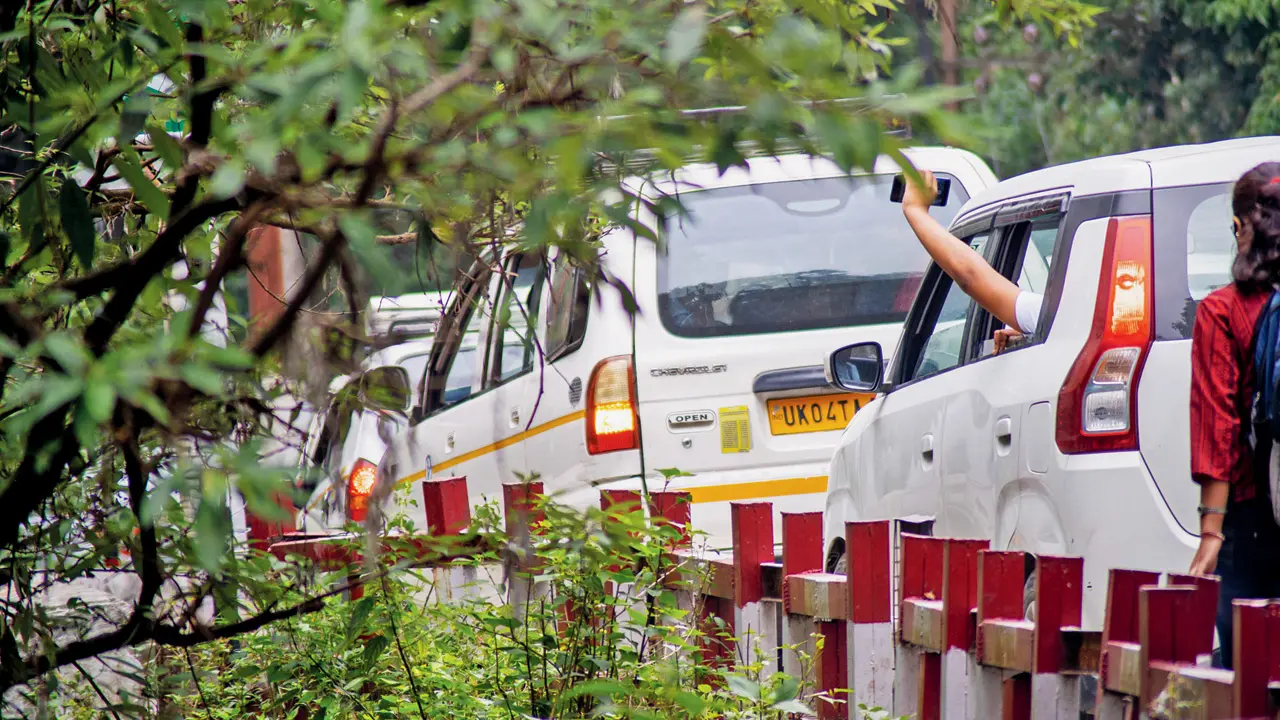
Sarnaik said the primary objective of the decision is to control traffic congestion in cities where the number of auto-rickshaws has increased significantly in recent years.
“With the growing number of auto-rickshaws on roads, traffic management has become increasingly difficult in major cities. The moratorium will help the government review the current situation and frame a more balanced policy,” the minister said.
He added that while new permits have been temporarily halted, the state cabinet will decide the criteria under which fresh permits may be issued in the future. The government will take further decisions after examining the existing permit system and assessing urban transport requirements.
Centre clarifies states have authority over permits
The transport minister also noted that the Ministry of Road Transport and Highways has clarified that the authority to regulate auto-rickshaw permits in cities with populations exceeding five lakh rests with state governments.
According to Sarnaik, the Centre conveyed this clarification through an official memorandum following correspondence initiated by the Maharashtra Transport Department. The communication stated that state governments can take decisions regarding the issuance of permits based on local traffic conditions, infrastructure capacity and public transport needs.
The Centre also highlighted that under the Motor Vehicles (Amendment) Act, 2019, states have been granted greater flexibility to regulate their transport systems.
Legal provisions allow states to modify transport permits
The minister further explained that Section 67(3) of the Motor Vehicles Act, 1988 empowers state governments to regulate and modify transport permits for passenger and goods vehicles.
Under these provisions, states can implement transport schemes aimed at improving last-mile connectivity, regulating vehicle numbers and reducing traffic congestion in densely populated urban areas.
Officials said the moratorium is part of a broader effort to ensure more efficient urban mobility and improve traffic flow in cities that are witnessing rapid population growth and increased vehicle density.
Complaints over irregularities in existing permits
Sarnaik also revealed that the state government has received multiple complaints related to irregularities in the issuance of auto-rickshaw permits.
“In some cases, several permits have reportedly been issued within the same household. There are also allegations that certain permits were illegally granted to Bangladeshi nationals,” the minister said.
He added that these complaints are currently being examined by the transport department as part of the broader review of the permit system.
Nearly 14 lakh auto-rickshaw permits already issued
According to government data, nearly 14 lakh auto-rickshaw permits have already been issued across Maharashtra. Considering the large number of vehicles already operating on roads, the Centre has advised the state to review the situation in major cities and take policy decisions based on local requirements.
Welcoming the moratorium, Sarnaik said the government will soon introduce policy measures aimed at creating a more efficient and citizen-friendly transport system.
“The government will take necessary steps to ensure that public transport remains convenient while also addressing congestion and regulatory concerns,” he said.