Ahead of World Autism Awareness Day on April 2, the Supreme Court of India has issued strict guidelines cautioning against the use of stem cell therapy for autism. Authorities have been directed to act against misleading advertisements and unproven treatments. The move follows concerns raised by advocacy groups that families have spent over Rs 10 lakh on such therapies without scientific backing or positive outcomes.
“Many families faced severe financial strain chasing these treatments and got nothing in return,” said Parul Kumtha, trustee and co-founder, Forum for Autism, and one of the petitioners in the Public Interest Litigation (PIL) filed at the SC.
NMC guidelines
>> Stem cell therapy is allowed only for conditions approved by the Ministry of Health and Family Welfare (MoHFW) as standard care
>> For all other conditions, including autism, it is permitted only in approved clinical trials
>> Trials must follow the norms, including informed consent, no cost to patients, and compensation for injury or death
>> Any unapproved stem cell treatment will be considered illegal and invite action
Supportive therapies are working!
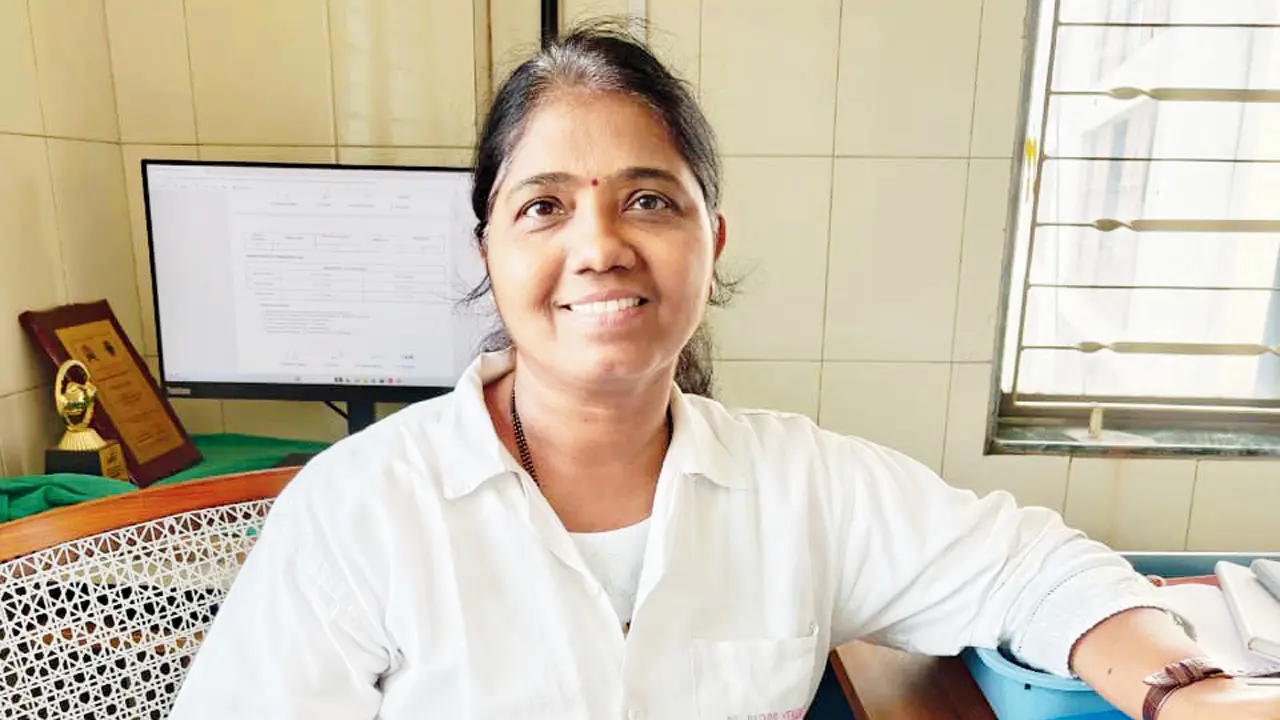
At the Autism Intervention Centre (AIC), Sion Hospital, 40 children have shown progress through supportive therapies. “The centre has helped children go from non-verbal to studying in regular schools,” said Dr Rashmi Yeradkar, who heads the Occupational Therapy Department. The centre offers occupational therapy, parent counselling and a sibling support programme (SPOT). However, lack of funding has affected speech therapy services.
Manisha Pokhriyal said her son, diagnosed at 3.5 years, improved after joining the Sion centre. “Private therapy costs R800 to R2000 per session, which is unaffordable long-term. Here, he has improved and now attends a regular school,” she said.
Family Speak
Several families shared their experiences of financial loss and worsening conditions.
KS Ganapathy, a petitioner, said he spent over R3 lakh on a session for his 33-year-old son. “Instead of improving, his condition worsened, and he became more aggressive,” he said.
Nita Colaco said her family spent around R5 lakh after being promised a cure. “My son lost his ability to concentrate. Later, we realised we still had to depend on speech and occupational therapy.”
Expert view
Dr Abhijat Sheth, chairman, National Medical Commission
‘Autism is a neurodevelopmental condition, not a disease with a definitive cure. There is no credible scientific evidence supporting stem cell therapy for its treatment. Such interventions are unethical, exploit vulnerable families, and must be restricted to approved clinical trials’
April 2
World Autism Awareness Day