The Centre has directed the Maharashtra government to urgently address concerns raised by climate activists over the decline of flamingo habitats as Navi Mumbai wetlands turn toxic, reported PTI.
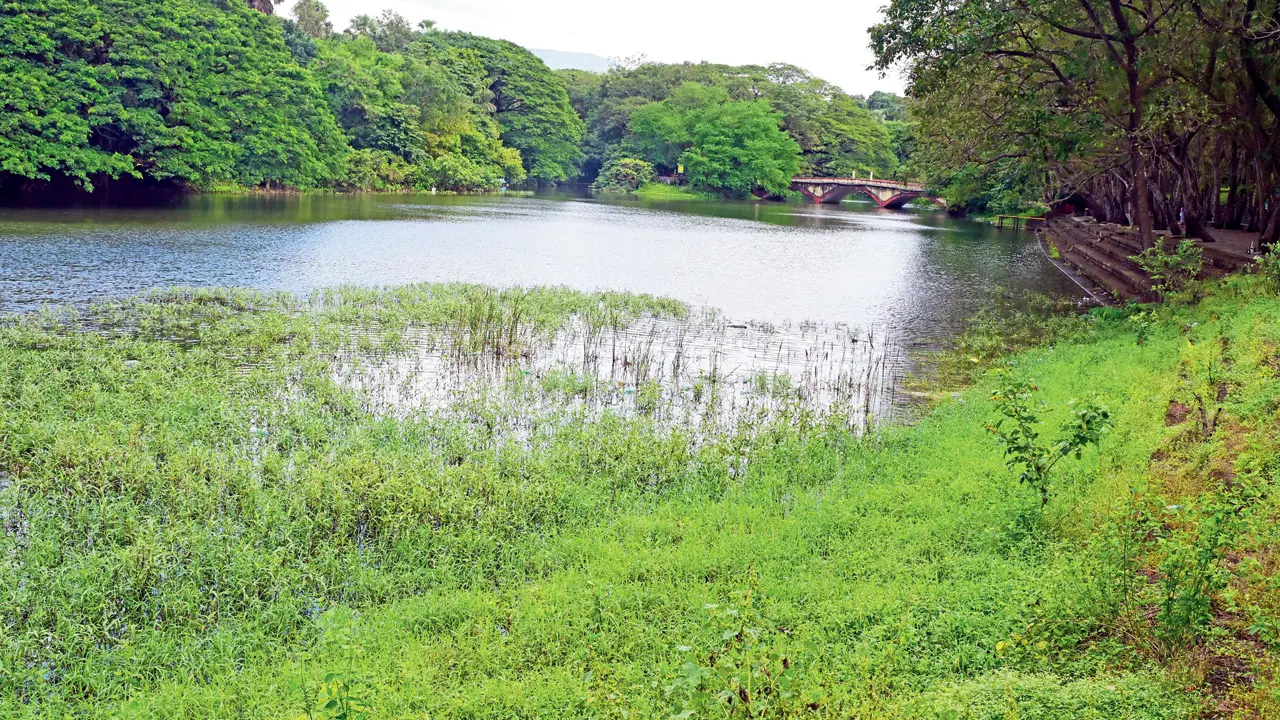
On World Water Day, activists flagged the deteriorating condition of the DPS, NRI, and T S Chanakya lakes in Nerul, which serve as satellite wetlands for the Thane Creek Flamingo Sanctuary (TCFS), a Ramsar site.
According to PTI, they sounded a “wetland emergency,” stating that three key flamingo habitats in Navi Mumbai have turned toxic, with water sample tests revealing alarming results.
MoEFCC seeks urgent action report from state authority
The Union Ministry of Environment, Forest and Climate Change (MoEFCC), in its response on Monday, asked the Maharashtra State Wetland Authority to address the grievance on priority and submit an action taken report to both the complainant and the Centre.
The ministry cited the Wetlands (Conservation and Management) Rules, 2017, under which the discharge of untreated waste and effluents, dumping of solid and construction waste, encroachment, and any alteration of the ecological character of wetlands are prohibited.
Flamingo season in Navi Mumbai runs from November to May, with January to March being the peak viewing period, when bird lovers and enthusiasts gather at wetlands to catch a glimpse of the “pink parade.”
Tests show wetlands under severe stress, activists alert PM Modi and CM Fadnavis
Water sample tests commissioned by the NatConnect Foundation indicate a system under severe stress, activists said in messages sent to Prime Minister Narendra Modi and Maharashtra Chief Minister Devendra Fadnavis.
The warning is reinforced by the absence of flamingos this season, said B N Kumar, director of the NatConnect Foundation.
Four basic indicators, TDS, pH, BOD, and COD, paint a consistent picture of decline. The results show over-concentrated, stagnant water instead of natural tidal flushing.
“Put simply, all four indicators tell the same story, the water is not moving as it should in a healthy intertidal wetland,” Kumar said, pointing to blocked or restricted tidal flow, the news agency reported.
Instead of being regularly flushed, the wetlands are turning into stagnant, polluted basins.
Activist blames CIDCO, alleges regulatory inaction in wetland damage
The City and Industrial Development Corporation (CIDCO) is “largely responsible for what has happened,” climate activist Nandakumar Pawar said, adding that regulators such as the Maharashtra Coastal Zone Management Authority and the forest department have “simply looked the other way.”
The wetlands, he warned, are a public asset being destroyed in plain sight.
(With PTI inputs)