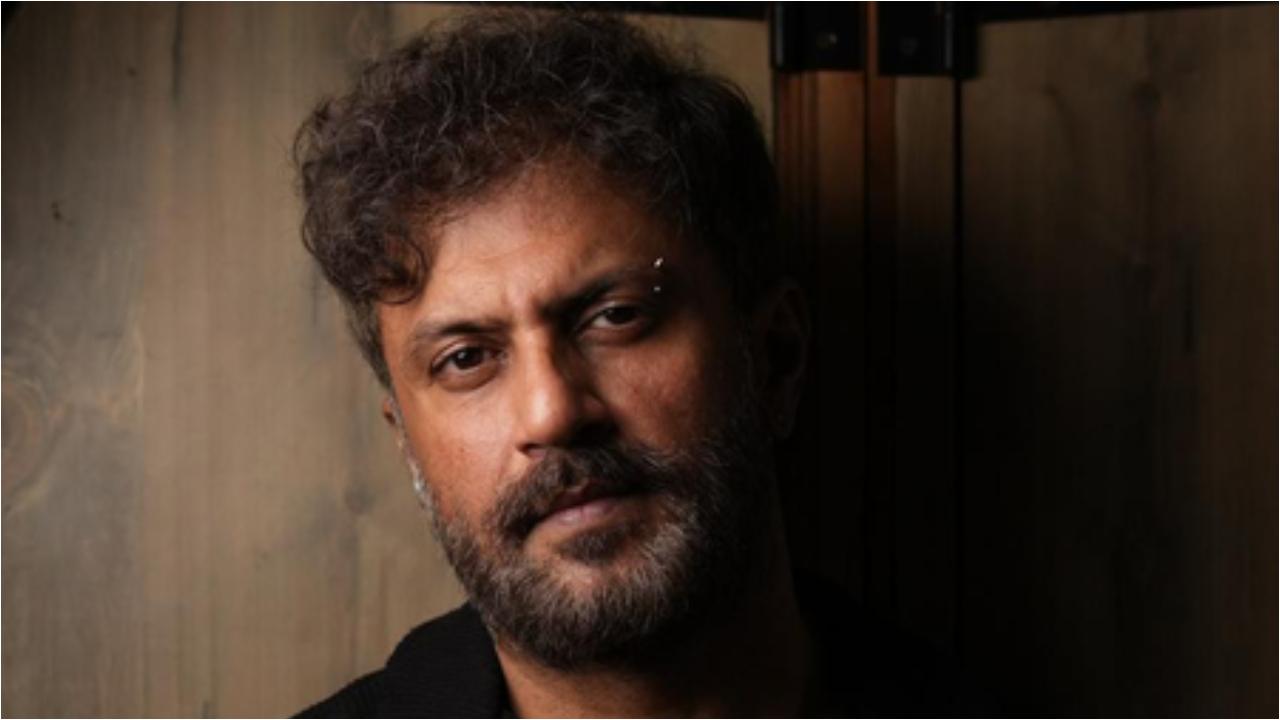
Anubhav Sinha’s Assi is a hard-hitting reflection of our times. But before we speak of the film, it is necessary to revisit 2012- the year the world was predicted to end. While memes about apocalypse theories flooded timelines, India was shaken by something far more real- the Nirbhaya case. A young woman was brutally gang-raped and murdered in the national capital. The crime pushed citizens onto the streets and forced the system to respond. The perpetrators were eventually sent to prison. The story was retold on screen many times.
But Nirbhaya was not an isolated case. The years that followed saw repeated, equally brutal if not more heinous crimes against women. Over time, the shock faded. It no longer jolted beyond a brief gasp. It became a statistic.
Reminder of reality
Today, every 20 minutes, a rape is reported somewhere in the country. In its 133-minute runtime, Assi reminds you of this reality every 20 minutes, as it unfolds a case of gang rape.
Director Sinha does not soften the blow. He lays bare an uncomfortable truth that women are, by and large, unsafe. Kani Kusruti plays Parima, a Delhi school teacher leading a quiet, happy life with her husband (Mohammed Zeeshan Ayyub) and young son. One night, returning home from a farewell party at 10:30 pm, she is abducted by a group of men, raped repeatedly in a moving car, and later thrown onto a railway track, half-naked and heavily bruised.
What follows is not a whodunnit. The facts are laid out early. Instead, the film dissects what comes after – the media frenzy, calls for encounter justice, vigilantism, and the growing erosion of faith in due process. Taapsee Pannu plays a lawyer committed to due process despite fatigue from fighting the same battles repeatedly. Actress Revathy presides as the judge – calm, measured, observant.
Revathy conveys more through restraint than rhetoric. Watching her preside reminds one of Saurabh Shukla’s memorable line in Jolly LLB: “Case ki pehli taarikh ko mujhe malum hota hai mujrim kaun hai. Main yaha baitha rehta hu aur evidence ka intezaar karta hu.” Like that judge, she waits even as a flawed investigation unfolds before her. And she isn’t surprised.
Performances
Sinha assembles a strong ensemble, many of them frequent collaborators. Kumud Mishra plays a grieving man whose loss turns into disillusionment with the system, a path that leads him into dangerous territory. Naseeruddin Shah appears in a brief but effective role as a voice of reason. Zeeshan Ayyub is a quiet presence, supportive without theatrics, delivering a few sharp lines that reflect a shifting societal mindset.
Manoj Pahwa stands out as a father torn between shame and instinct, horrified by his son’s alleged crime, yet desperate to save him from the gallows.
Assi succeeds in conveying what it sets out to say. It is a stark reminder of everyday violence against women and the fragility of faith in the judiciary. More importantly, it questions the world we are leaving behind.
Is it an urgent watch? Yes. Perhaps we, as a country, need to rage more and react more for the right reasons.