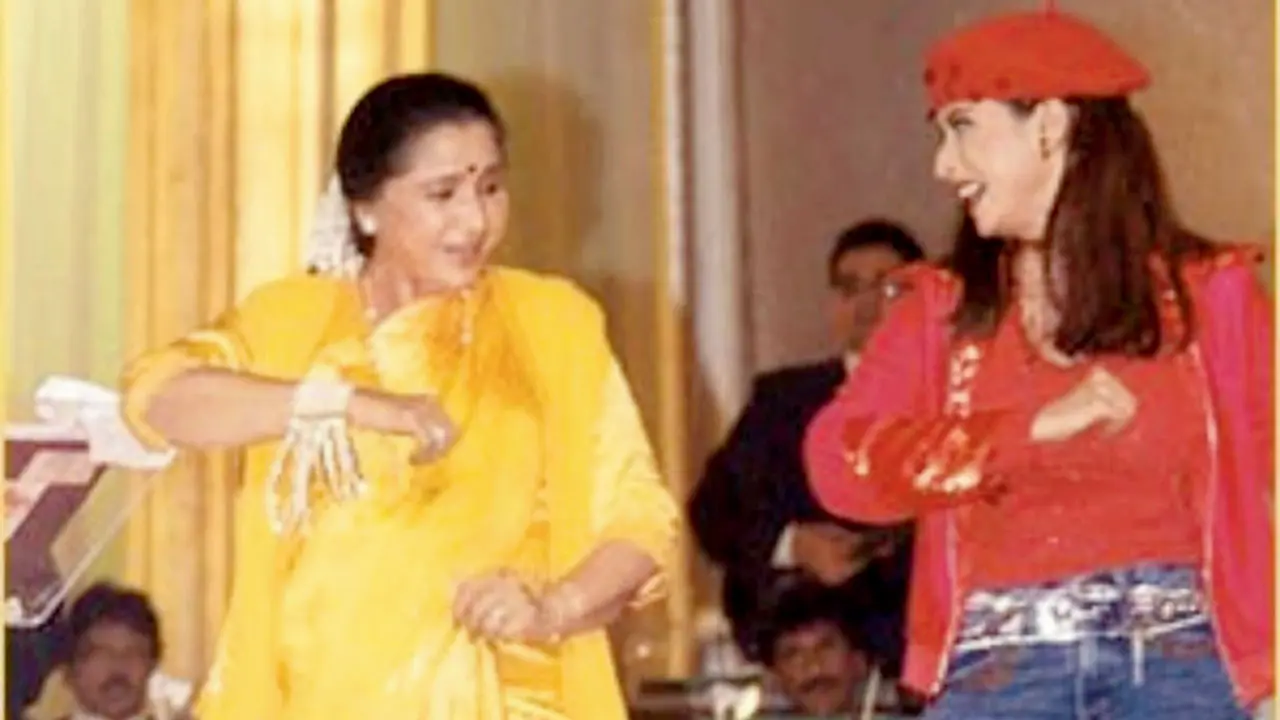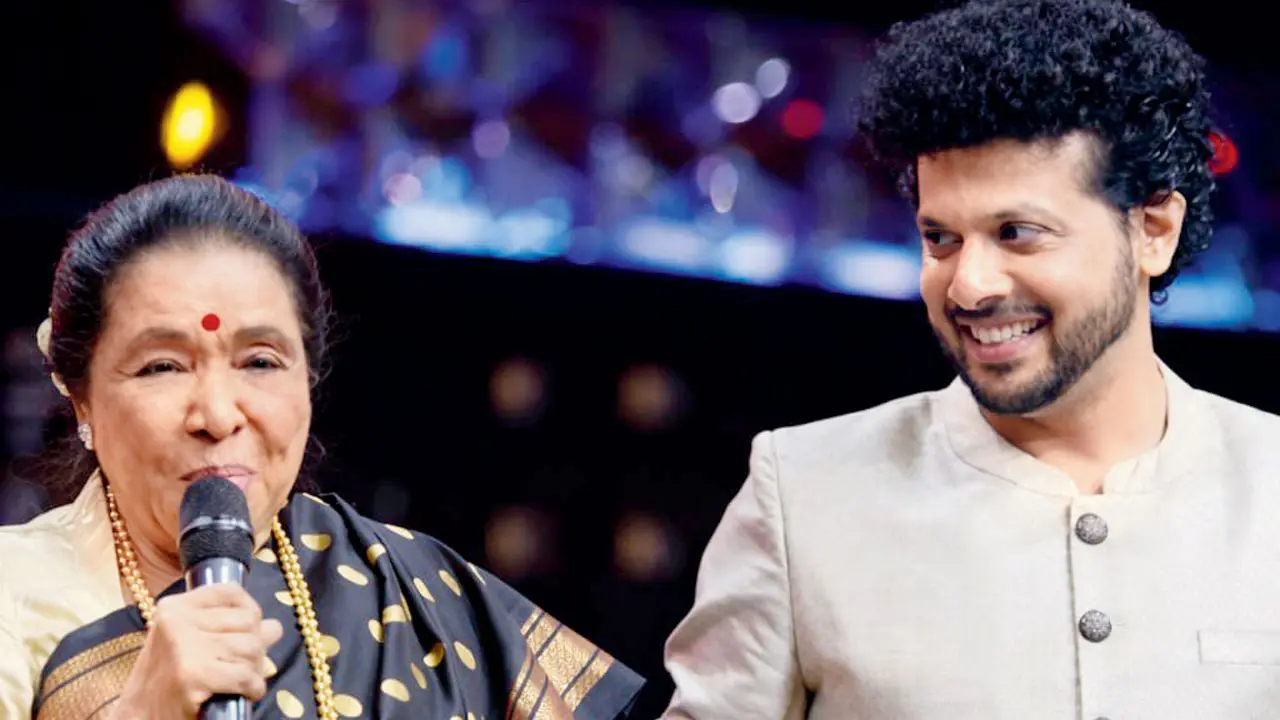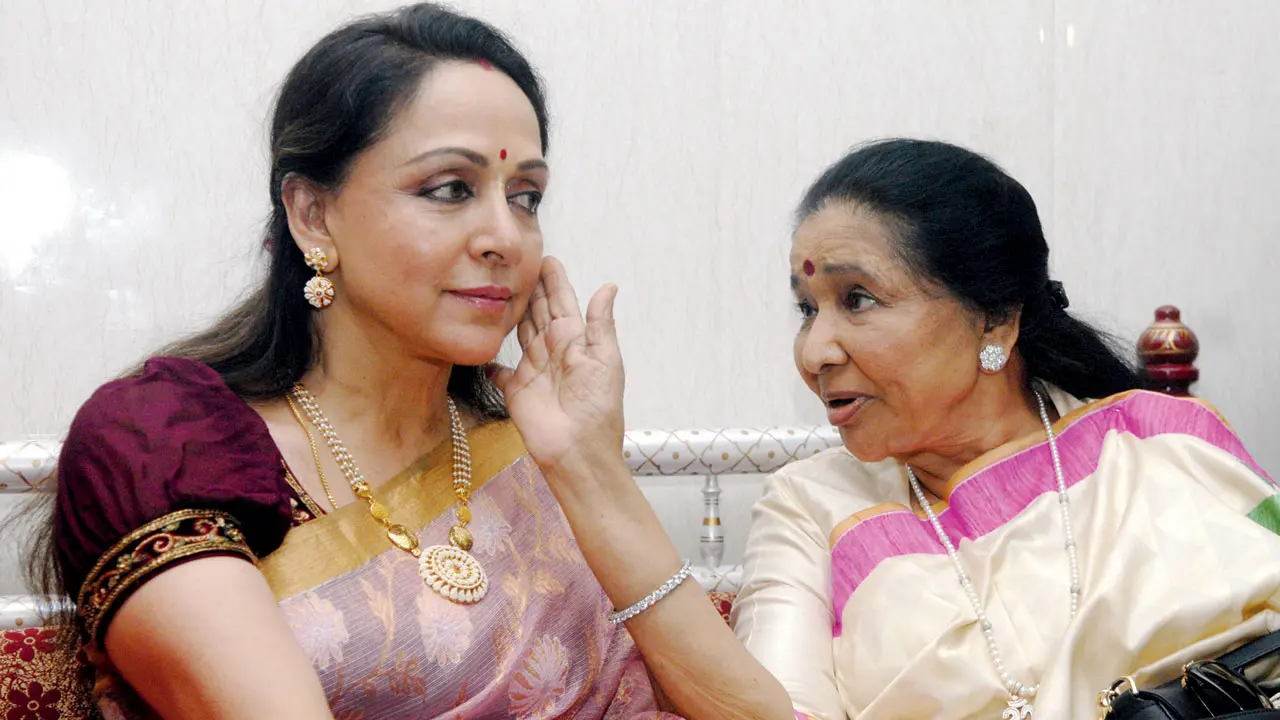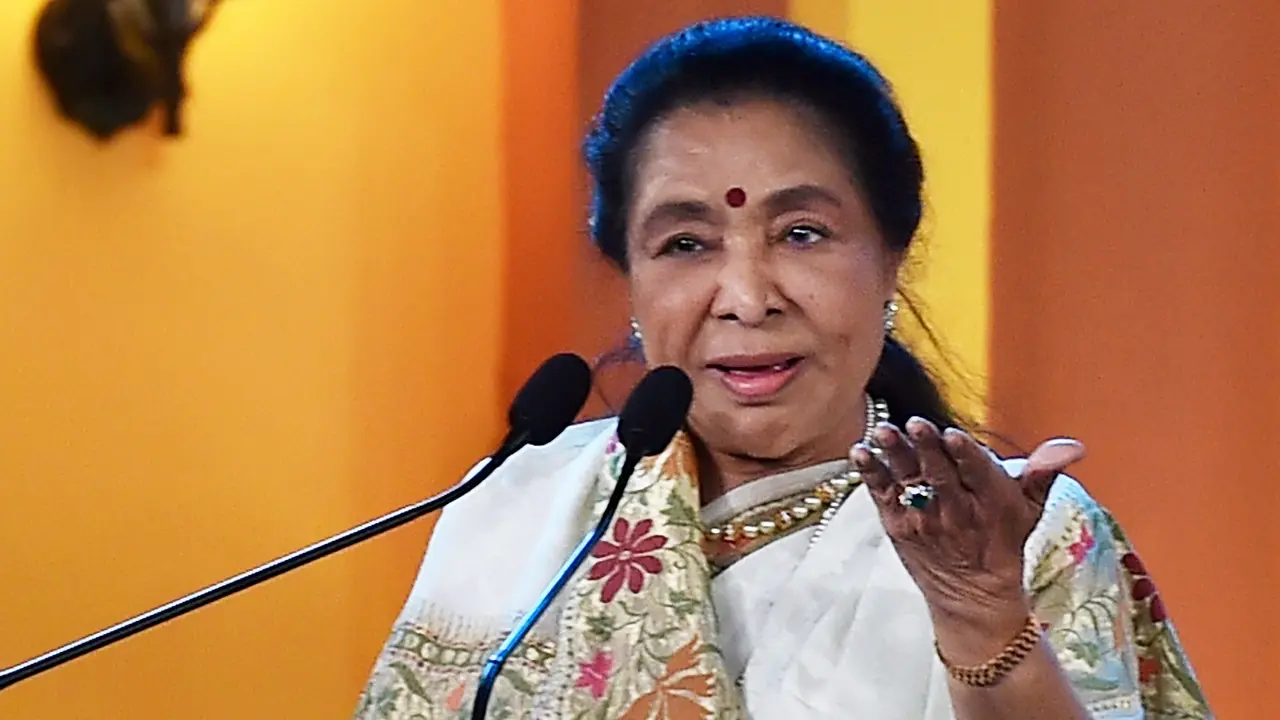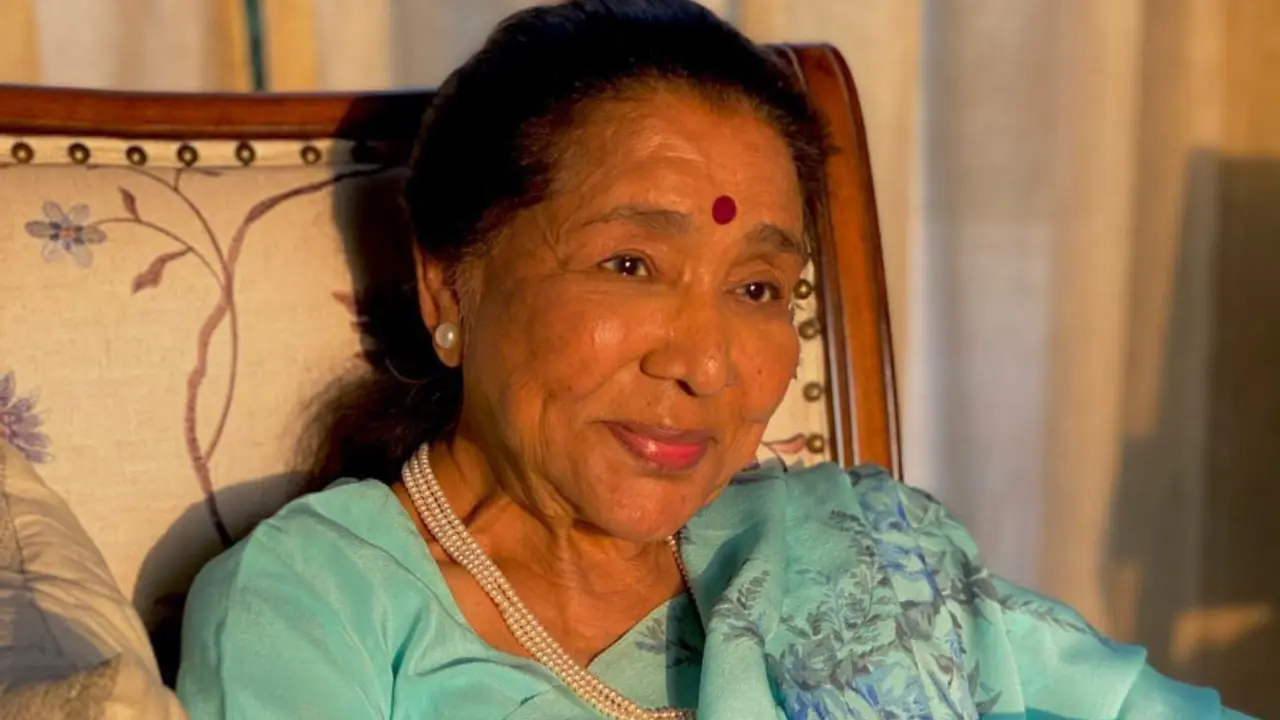
Legendary playback singer Asha Bhosle passed away in Mumbai on Sunday at the age of 92, marking the end of an era in Indian music. She passed away at Breach Candy Hospital, where she had been admitted on Saturday evening following extreme exhaustion and a chest infection. The singer’s cremation will be held at Shivaji Park on Monday at 4 pm. Her son Anand has requested fans not to crowd the venue.
Anand Bhosle makes an appeal to fans
Speaking to the media on Sunday night, Anand Bhosle said that people can come for the last darshan of his mother at her residence in Lower Parel. He also urged fans not to crowd the funeral site at Shivaji Park on Monday evening.
“Tomorrow, from 10:30 am to 2 pm, people can come and take the last darshan of my mother at the Casa Grande building. At 4 pm, her last rites will be performed at the crematorium. I request people not to gather there, as there are chances of overcrowding,” Anand Bhosle said in Hindi.
BMC and Mumbai Police to arrange funeral
Crowd-control measures by the authorities will ensure that visitors who want to pay homage to the singer can do so smoothly. If required, separate access corridors will be created for the public, VIPs, and family members.
Vinayak Vispute, Assistant Commissioner of the G North ward, confirmed that the last rites will be held at the Shivaji Park crematorium. Meanwhile, in a statement to mid-day on Sunday evening, a BMC official said, “The civic administration has recent references of the preparations required for the last rites of Lata Mangeshkar and Ratan Tata in terms of on-ground implementation and coordination to manage large crowds. The BMC is coordinating with the police to ensure law and order.”
Regular and traffic police will facilitate diversions. Civic services in the area will remain unaffected, though a large crowd is anticipated for the funeral.
Born in 1933, Asha Bhosle began her musical journey at a young age and rose to prominence in the 1950s. Over a career spanning decades, she recorded thousands of songs across multiple Indian languages, ranging from classical and ghazals to cabaret, pop, and folk.