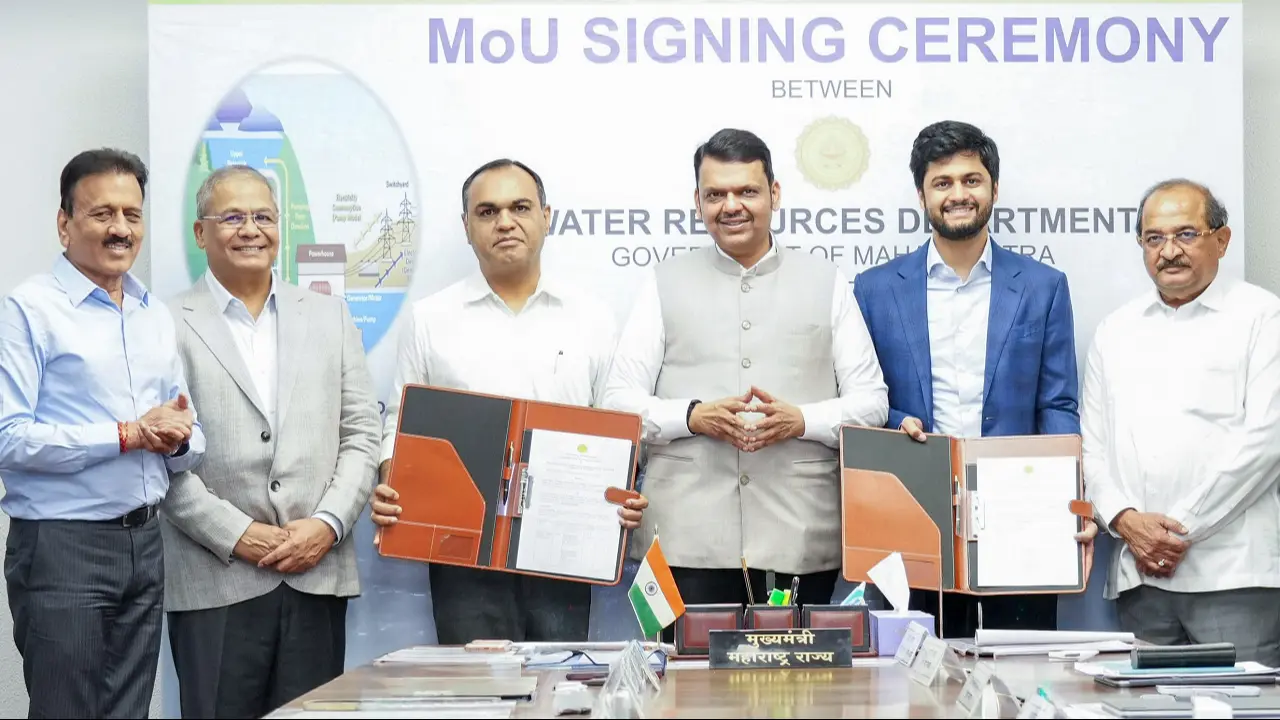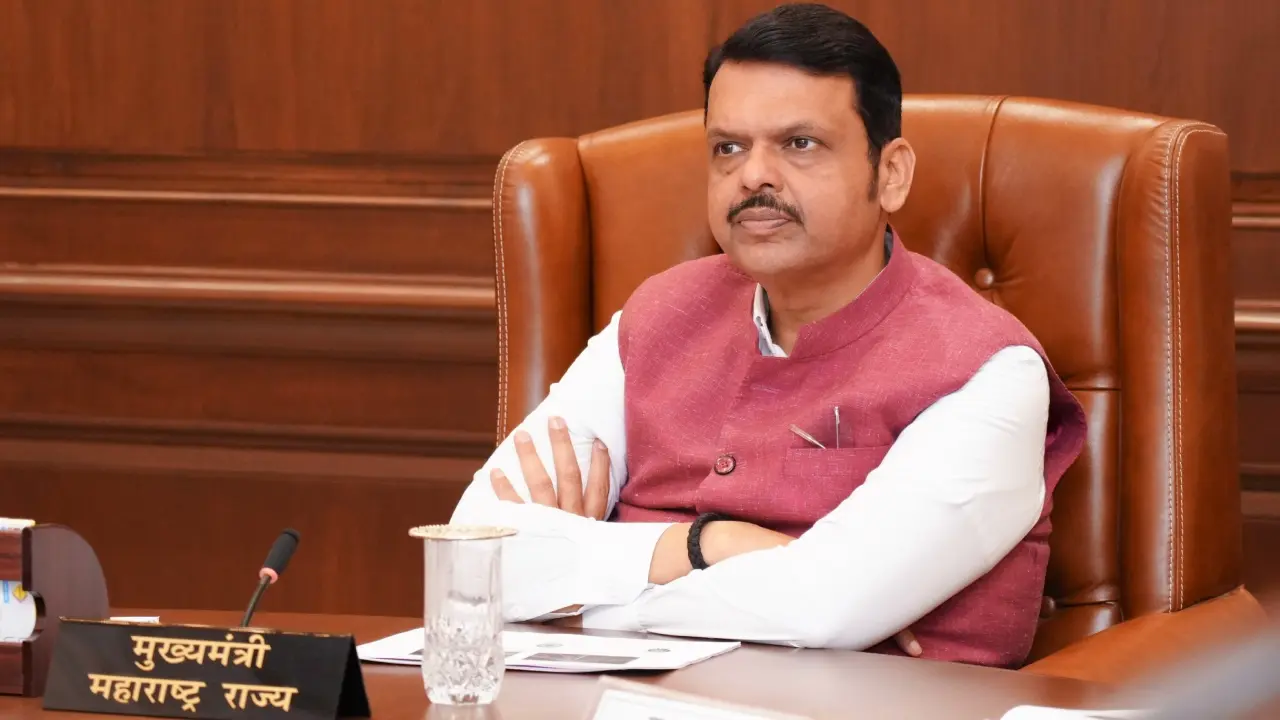
The Maharashtra cabinet, chaired by Maharashtra Chief Minister Devendra Fadnavis, on Monday approved a major healthcare initiative backed by financial assistance of Rs 3,708 crore from the Japan International Cooperation Agency (JICA), reported news agency IANS.
The project, titled “Strengthening Tertiary Health Care Delivery, Medical Education System and Nursing System in Maharashtra,” aims to significantly upgrade healthcare infrastructure, medical education, and nursing facilities across the state.
Focus on Medical Colleges and Healthcare Infrastructure
The initiative will prioritise the development of infrastructure and the provision of advanced medical equipment for government medical colleges, nursing colleges, and associated hospitals.
Funding will be allocated to newly established government medical colleges in Wardha, Palghar, Ratnagiri, and Ahilyanagar. In addition, existing nursing colleges across key locations will be upgraded to enhance training capacity and quality, reported IANS.
Nursing Education Expansion Across Key Districts
As part of the project, nursing colleges at major institutions such as GT Hospital and St George’s Hospital in Mumbai, as well as those in Dhule, Solapur, Ambajogai, Akola, Nagpur, Ratnagiri, Palghar, and Dharashiv, will undergo upgrades, reported IANS.
New nursing colleges will also be constructed in Baramati, Sangli (Miraj), and Kolhapur, strengthening the pipeline of trained healthcare professionals in the state.
Advanced Equipment for Government Hospitals
The state government will invest in advanced medical equipment for government medical colleges in several districts, including Ahilyanagar, Bhandara, Gadchiroli, Hingoli, Jalna, Mumbai, Nashik, Parbhani, Satara, Palghar, Ratnagiri, and Wardha, reported IANS.
Officials said this move is expected to improve diagnostic and treatment capabilities, ensuring better healthcare delivery for citizens.
Indo-Japan Academic Exchange to Build Capacity
The project also includes provisions for human resource development through the Indo-Japan Academic Exchange Programme. This will focus on enhancing skills in hospital management, administration, and clinical practices, bringing global expertise into Maharashtra’s healthcare system, reported IANS.
Authorities stated that the overarching goal is to provide affordable and quality medical care to people across the state.
Major Reforms in Recruitment Process Approved
Alongside the healthcare initiative, the cabinet approved a comprehensive reform plan aligned with the “Viksit Maharashtra 2047” vision, aimed at simplifying recruitment and expanding job opportunities, reported IANS.
The number of cadres under the Maharashtra Public Service Commission (MPSC) will increase to 102, with the combined examination scheme now covering 18 additional services and 93 new cadres.
‘No Interview Policy’ and Digital Verification Introduced
In a significant reform, the cabinet approved a “No Interview Policy” for non-gazetted Group-B and Group-C posts to ensure a faster and more transparent recruitment process, reported IANS.
The state will also adopt a system similar to the Union Public Service Commission’s Pratibha Setu, allowing data sharing of qualified candidates with employers to enhance job prospects.
Additionally, DigiLocker will be used for instant, paperless verification of educational and caste certificates, streamlining the recruitment process.
Push for Future-Ready Workforce
The government has also identified obsolete roles as “dying cadres” and plans to create new positions requiring expertise in emerging fields such as Artificial Intelligence.
(With inputs from IANS)