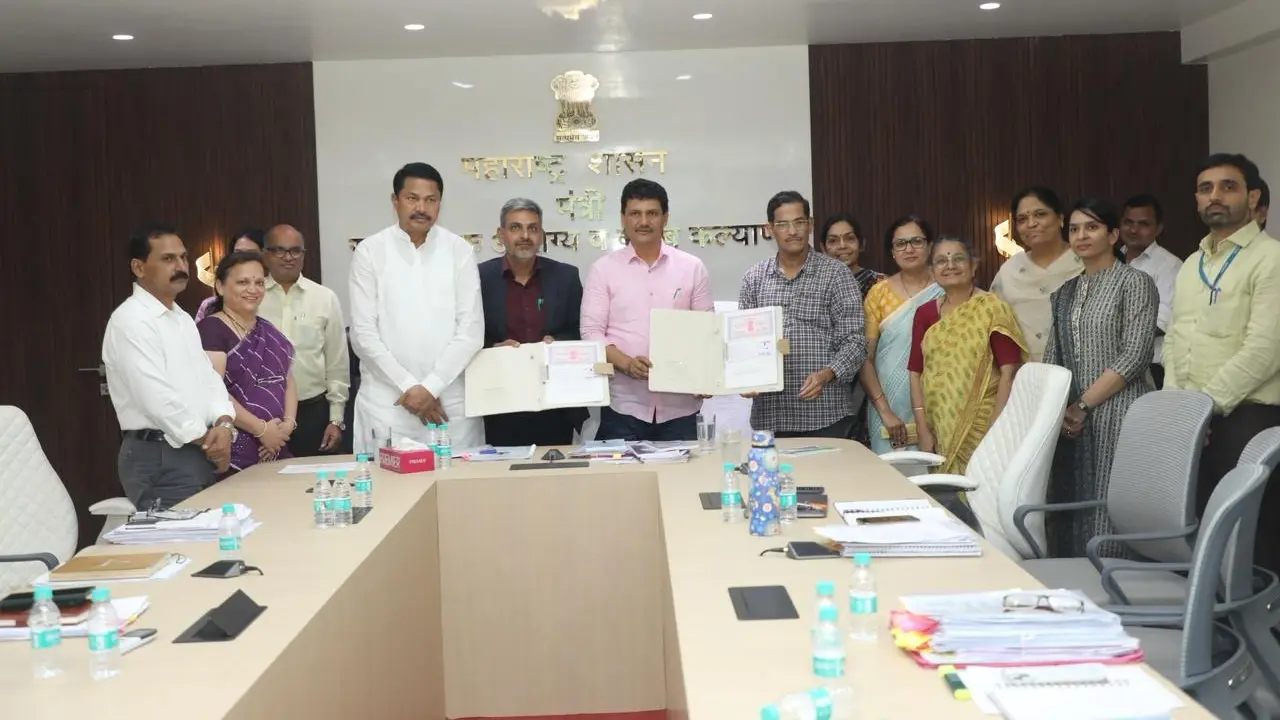
The Maharashtra government has signed a key agreement to strengthen mental health support for children across the state.
An official statement said that the initiative has been taken under the leadership of Devendra Fadnavis, with a focus on building a more inclusive and accessible mental health system.
The state’s Public Health Department has signed a Memorandum of Understanding (MoU) with Eklavya Foundation for Mental Health.
The agreement aims to expand mental health services for children through community-based programmes and structured support systems.
Focus on emotional wellbeing of children
Speaking on the initiative, Chief Minister Devendra Fadnavis said that children’s mental health is a key foundation for the state’s future.
He added that the programme will help children develop confidence, emotional strength and a positive outlook towards life.
Statewide implementation plan
The programme will be rolled out across all districts in Maharashtra through the caregiver-led self-help groups and offline and digital support systems
Awareness campaigns to reduce stigma around mental health, the statement said.
It said that it will also provide support to families and caregivers, ensuring a more holistic approach to mental healthcare.
Integration with existing health programmes
The initiative will be implemented in coordination with the District Mental Health Programme (DMHP), ensuring better reach and efficiency.
Officials said the programme will help improve awareness, accessibility and quality of mental health services across the state.
Three-year agreement
The MoU will remain in effect for three years, during which the government aims to significantly strengthen mental healthcare systems for children.
The agreement was signed in the presence of senior officials, including Minister for Public Health and Family Welfare Prakash Abitkar, Dr Nipun Vinayak (Principal Secretary, Health), Dr Kadambari Balkawade (Health Services Commissioner) and the representatives from the Eklavya Foundation.
Maharashtra plans stricter rules for safer school transport
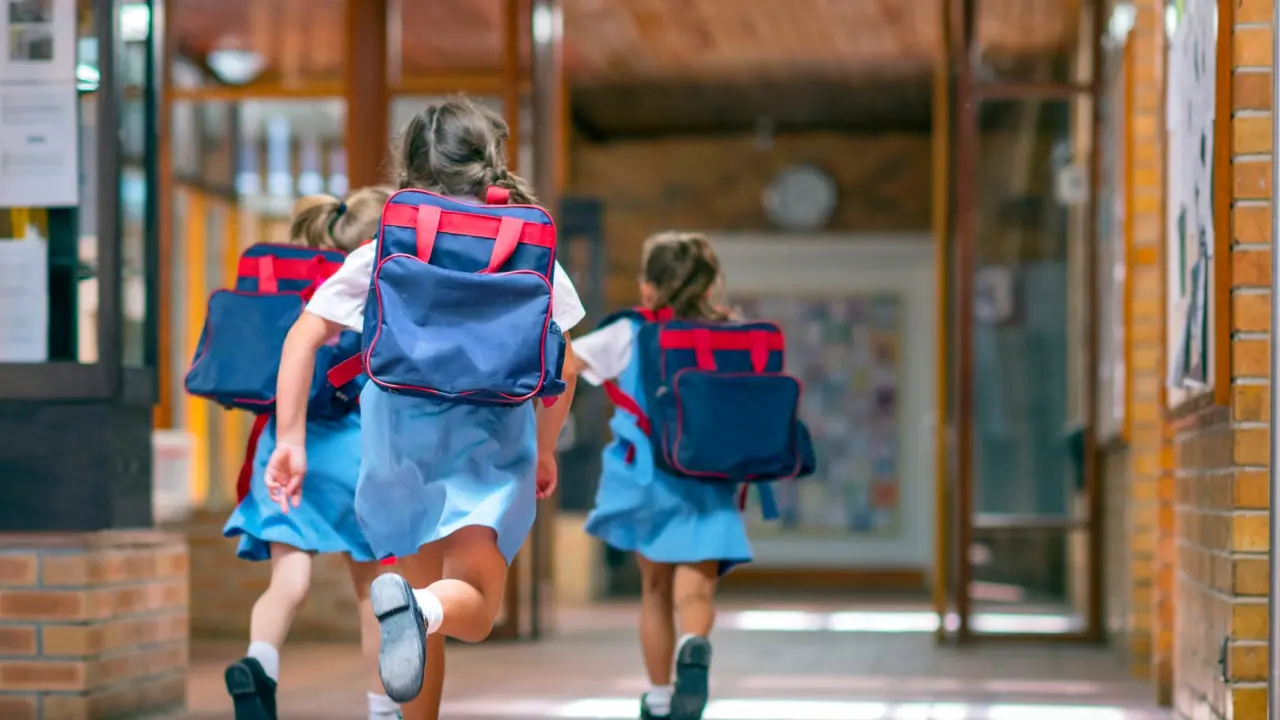
Meanwhile, with GPS tracking, CCTVs and fee controls, Maharashtra government has announced plans to introduce stricter and more comprehensive regulations to improve the safety, transparency and accountability of school transport.
Maharashtra Transport Minister Pratap Sarnaik said that the proposed rules aim to prioritise the safety of school children across the state.
The draft notification, proposes the implementation of the Maharashtra Motor Vehicles (School Bus Regulation) (First Amendment) Rules, 2026. Citizens have been invited to submit objections and suggestions within 15 days of the notification, an official statement said on Saturday.
Under the proposed rules, school bus fares will be fixed by the Regional Transport Authority. Schools and operators will only be allowed to charge monthly fees. Collecting lump-sum advance payments will not be permitted, providing financial relief to parents.
Every school will be required to form a school Transport Committee. This committee will address complaints related to fees, safety and service quality. It will also be mandatory for the committee to submit quarterly reports.
Mandatory use of modern safety technology
All school buses and vans must be fitted with GPS-based Vehicle Location Tracking Devices (VLTD) and panic buttons. In addition, fire detection and alarm systems (FDAS), CCTV cameras and seat belts for all seats will be compulsory, the statement said.
A digital safety monitoring system will be required in every vehicle. This system will allow live tracking, digital attendance, automated alerts and direct communication with parents. It will also be integrated with a state-level monitoring platform, it said.
Daily attendance of students, including boarding and drop-off times, must be recorded. For pre-primary and primary students (up to Class 5), a women attendant or authorised staff member must be present during every journey, the statement further said.
The rules include provisions for children with disabilities or special needs. This includes trained staff, accessible transport arrangements and, where necessary, the presence of parents or teachers.