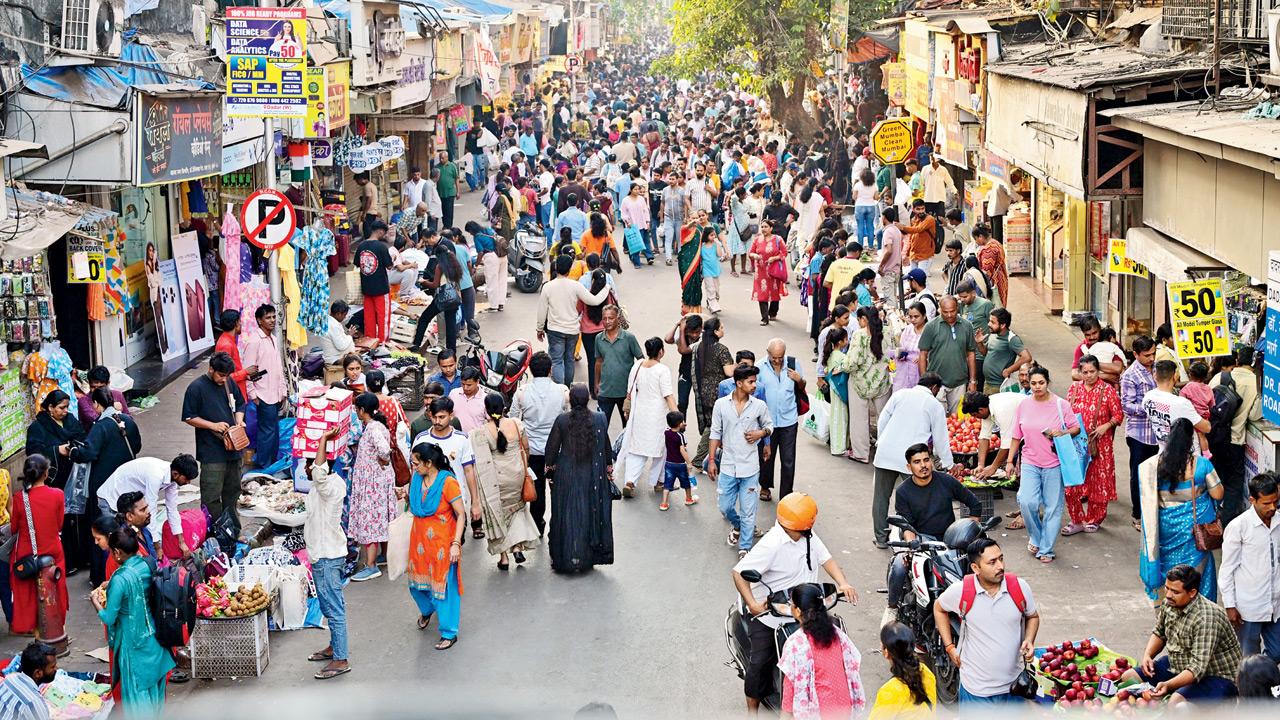
The Brihanmumbai Municipal Corporation (BMC) is set to give QR codes to 10,500 existing licensed hawkers across the city by the end of April, which will help Mumbaikars distinguish between licensed hawkers and unauthorised hawkers. Each QR code will carry details of the hawker’s licence and related documents issued by the civic body. Hawkers will be required to display these codes prominently at their stalls, allowing Mumbaikars to scan and verify their authenticity.
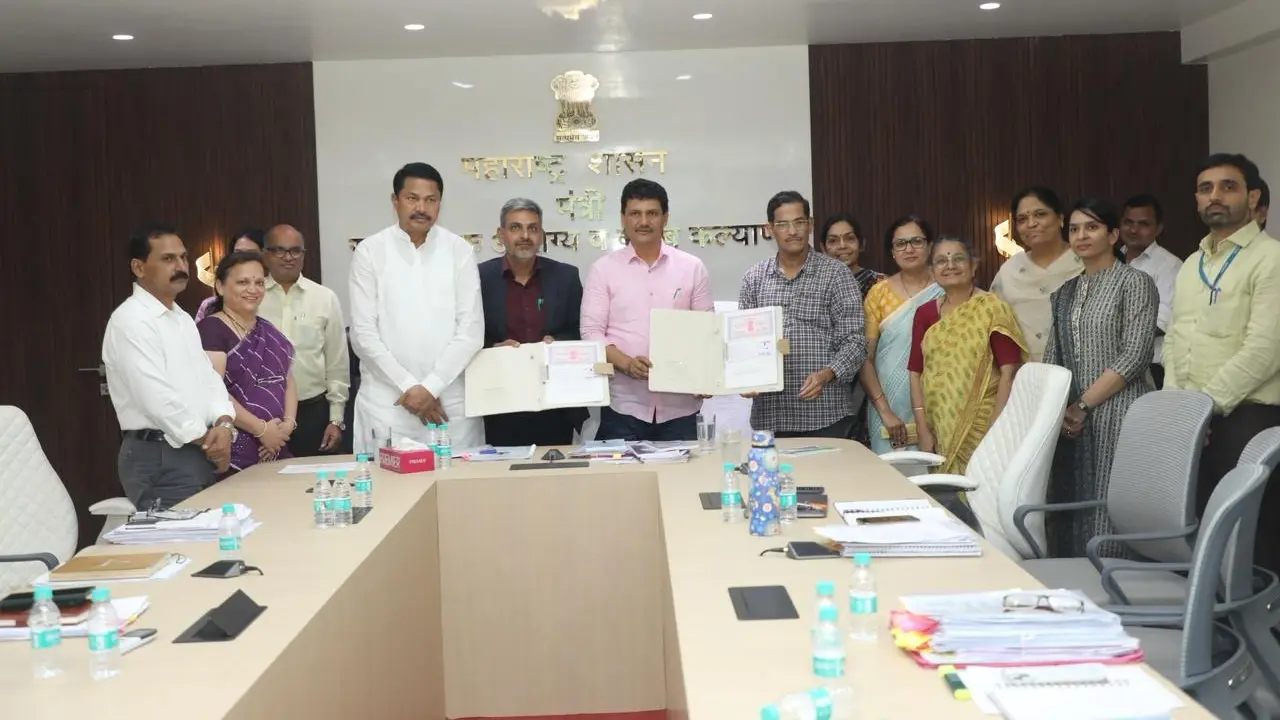
Meanwhile, around 22,000 unlicensed hawkers who registered with the BMC in 2014, when the Town Vending Committee (TVC) was formed, will undergo evaluation. Based on this process, eligible vendors will be allotted designated pitches for street vending. The pitches will be finalised by the 13-member TVC, eight of whom were elected on March 28, 2026, following elections that were conducted in 2024.
What is the role of BMC’s Town Vending Committee?
Established under the Street Vendors Act of 2014, the BMC’s Town Vending Committee is the official body responsible for regulating Mumbai’s street hawking. It manages the surveying and licensing of vendors, identifies designated hawking and non-hawking zones, and ensures all local vending policies are properly implemented. To maintain a balanced approach, the committee includes a mix of municipal officials, police, and elected hawker representatives.
Timeline
April 2026: BMC will issue QR codes to licensed hawkers
Mid to end 2027: TVC will assign pitches to registered hawkers
How will QR codes help?
Citizens will be able to distinguish between authorised and unauthorised hawkers with easy access to their licences
BMC authorities will take action against all hawkers who do not have these licenses