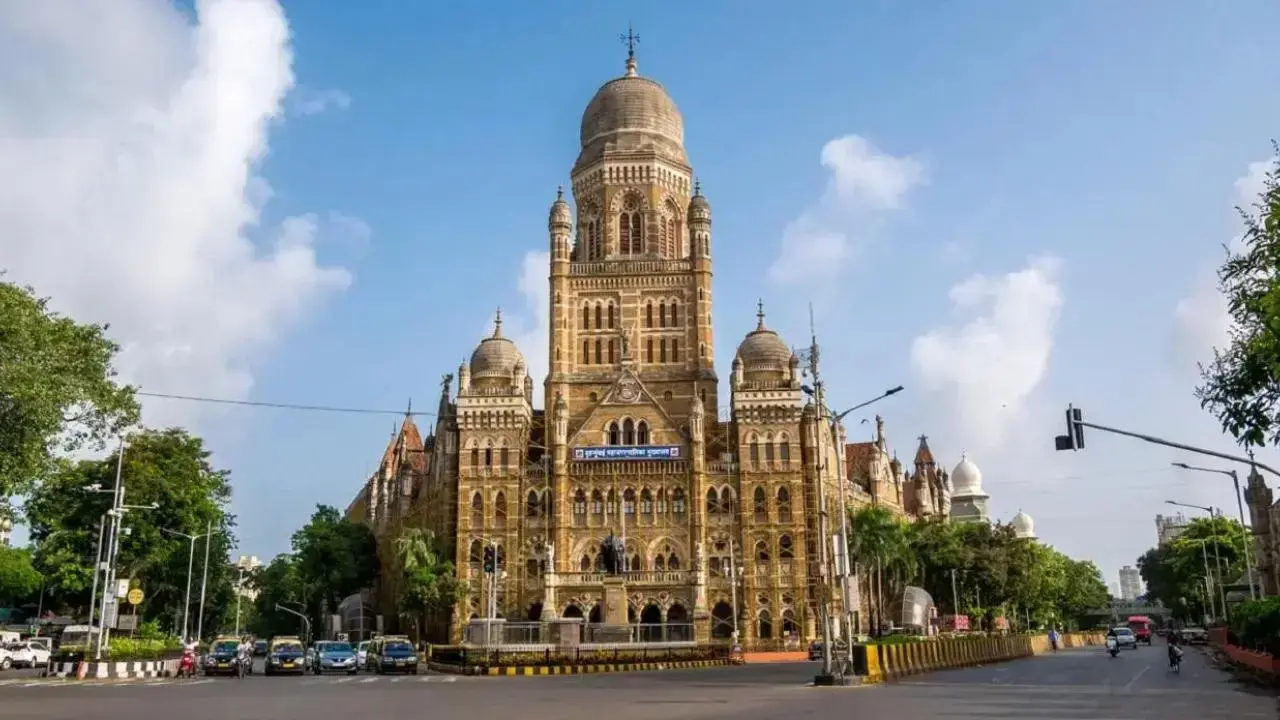
The Brihanmumbai Municipal Corporation (BMC) is planning to set up a centralised “war room” to strengthen monitoring of cleanliness operations across the city, as part of efforts to improve on-ground implementation. Municipal Commissioner Ashwini Bhide has directed officials to ensure stricter supervision, including regular field visits by ward-level administrators.
The directions were issued during a review meeting of the Solid Waste Management (SWM) department held at the civic headquarters on April 9. Senior officials, including Deputy Commissioners Prashant Gaikwad and Kiran Dighavkar, were present.
According to officials, the proposed war room will function as a central control system to track cleanliness-related work across Mumbai, enabling quicker response and better coordination between departments.
Focus on consistent execution and micro-planning
Bhide emphasised that cleanliness must be treated as an ongoing process rather than a one-time exercise. She called for “micro-planning” of road cleaning, particularly on high-traffic stretches such as coastal roads and major highways, where heavy vehicular movement poses challenges.
To address this, the BMC is considering the deployment of mechanised cleaning systems using specialised vehicles designed for urban conditions. Officials have been asked to explore collaborations with reputed institutions to develop customised solutions suited to Mumbai’s requirements.
The commissioner also suggested that select high-footfall locations be developed as “model clean areas” to set benchmarks, alongside public awareness efforts to encourage citizens to maintain hygiene standards.
Electric vehicles and waste management upgrades
The civic body highlighted its increasing reliance on electric vehicles for waste collection. Around 10 per cent of the BMC’s solid waste collection fleet now comprises electric vehicles, making it one of the first municipal corporations in India to deploy high-capacity e-vehicles at this scale.
Mumbai currently generates approximately 7,200 metric tonnes of solid waste every day, which is processed and disposed of using scientific methods, officials said.
Under a revised service-based contract system, the BMC has streamlined its fleet operations. While the earlier system deployed 1,196 vehicles, improved capacity in the new fleet has reduced the number to 988, officials added. The vehicles have also been given a new colour scheme for easier identification.
Segregation efforts and citizen participation
The city currently has 46 dry waste segregation centres, supported by 94 dedicated vehicles operating round-the-clock. In addition, the BMC has rolled out a specialised service for the collection of domestic sanitary waste, which is being used by a growing number of establishments.
Officials also reiterated the importance of public participation in maintaining cleanliness. The civic body has urged residents and businesses to actively take part in initiatives such as the ‘Mumbai Clean League’, aimed at encouraging community involvement in sanitation efforts.