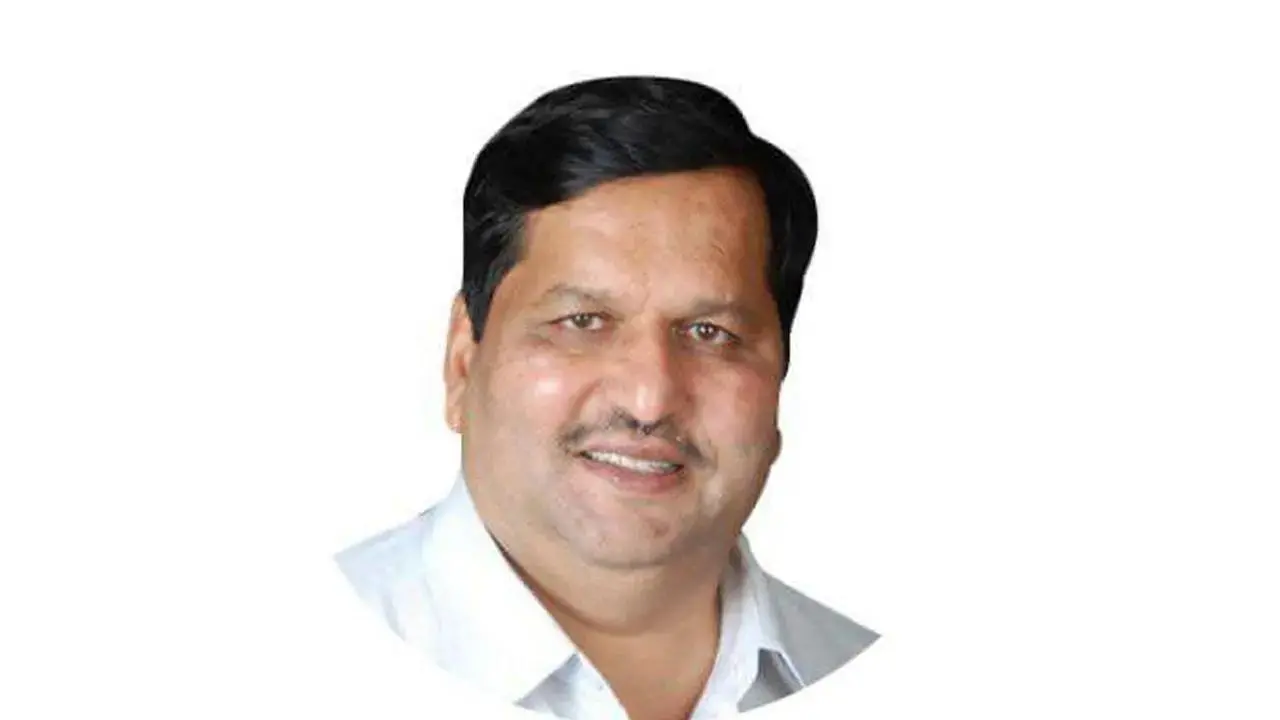
Shiv Sena (Uddhav Balasaheb Thackeray) leader and Leader of Opposition in the Brihanmumbai Municipal Corporation (BMC), Kishori Pednekar, has moved a proposal to make the recitation of ‘Manache Shlok’ — composed by 17th-century saint Samarth Ramdas Swami — mandatory in all civic-run schools, according to an NDTV Marathi report.
The notice of motion, tabled by the former mayor, seeks to introduce moral and value-based education through the daily chanting of these verses, traditionally regarded as guiding principles for mental discipline, ethics, and character building.
Pednekar highlighted the historical and cultural significance of the shlokas, noting that Samarth Ramdas Swami was the spiritual guru of Chhatrapati Shivaji Maharaj, and that the verses had a formative influence on Dr Babasaheb Ambedkar during his childhood. Manache Shlok is a collection of devotional and philosophical verses widely recited in Maharashtra for self-improvement and mental strength.
Defending the proposal amid criticism, Pednekar said the move is aimed at positively shaping young minds and instilling discipline and values. She asserted that such teachings should not be viewed through a religious lens, adding that the concept of God is universal and not confined to any one faith.
Heated debate expected in BMC meeting on April 9
However, the proposal has sparked controversy. The All India Majlis-e-Ittehadul Muslimeen (AIMIM) has strongly opposed the move, arguing that civic schools should prioritise constitutional education over religious or culturally specific content. The party has also raised concerns that introducing such practices in a diverse, multi-religious city like Mumbai could lead to divisions.
The issue is expected to be discussed at the BMC general body meeting on April 9, where it is likely to trigger heated debates between the ruling Mahayuti alliance and opposition parties.
The development comes amid ongoing debates over civic education policies in Mumbai’s civic schools, which cater to students from varied social and religious backgrounds. The proposal has already generated discussion across political and educational circles.