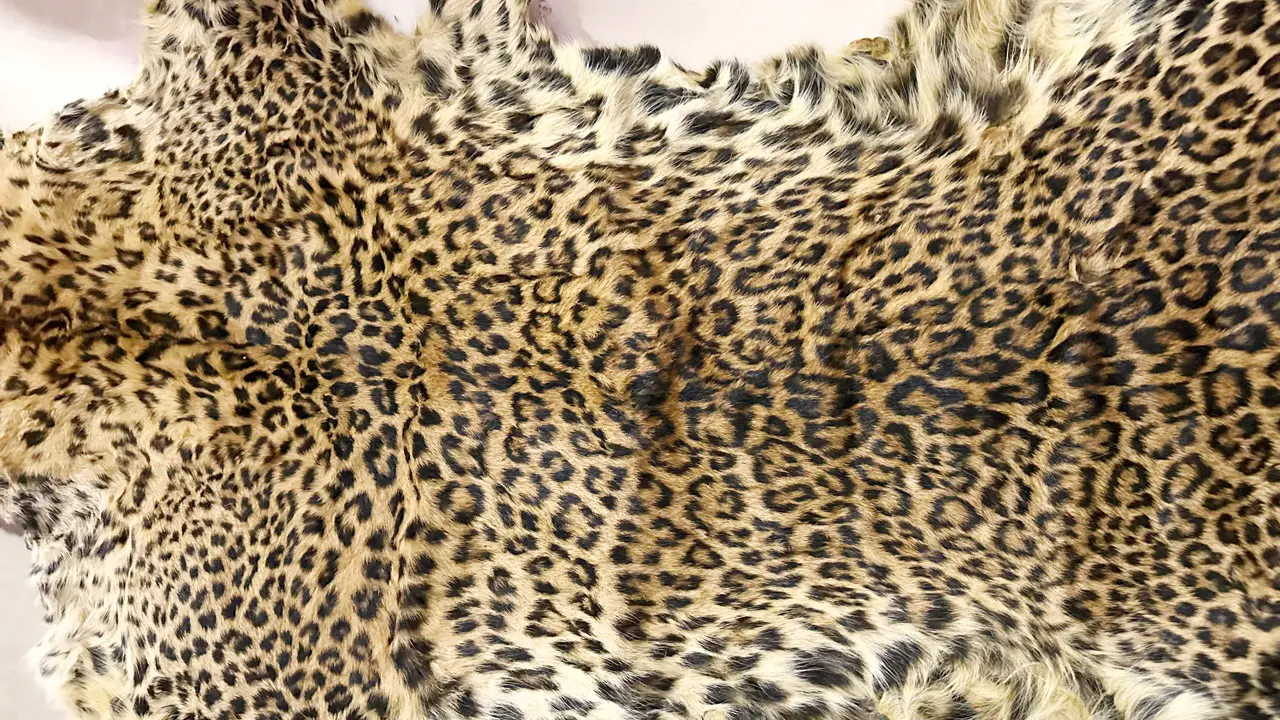
The Dahanu Forest Department on Sunday night arrested two alleged poachers and recovered a leopard skin from their possession. During interrogation, the accused confessed to killing the leopard in the Yeoor range of Sanjay Gandhi National Park (SGNP), said officials.
Acting on a tip-off about attempts to sell a leopard skin and body parts, Forest Officer Vijay Barabde from the Dahanu Forest Division initiated an operation, and posing as a prospective buyer, the officer contacted the accused and fixed a meeting.
Late on Sunday night, a trap was laid at the designated location on the Mumbai-Ahmedabad Highway near Khaniwade toll plaza in Palghar district. As the duo arrived with the leopard skin, the team moved in and arrested them on the spot. The accused have been identified as Vishal Varthe, 29, and Mayur Mhatre.
Investigation into larger network
Officials said they are probing whether a larger network is involved in the killing of leopards and if the accused and their associates have been linked to similar incidents in SGNP and adjoining areas. A case has been registered against both accused under relevant sections of the Wildlife Protection Act, 1972. They were produced before a local court, which remanded them to custody, said officials.
Official Speak
RFO Vijay Barabde said, “When the two individuals reached the location, we arrested them and recovered a leopard skin from their possession. The investigation is underway.”
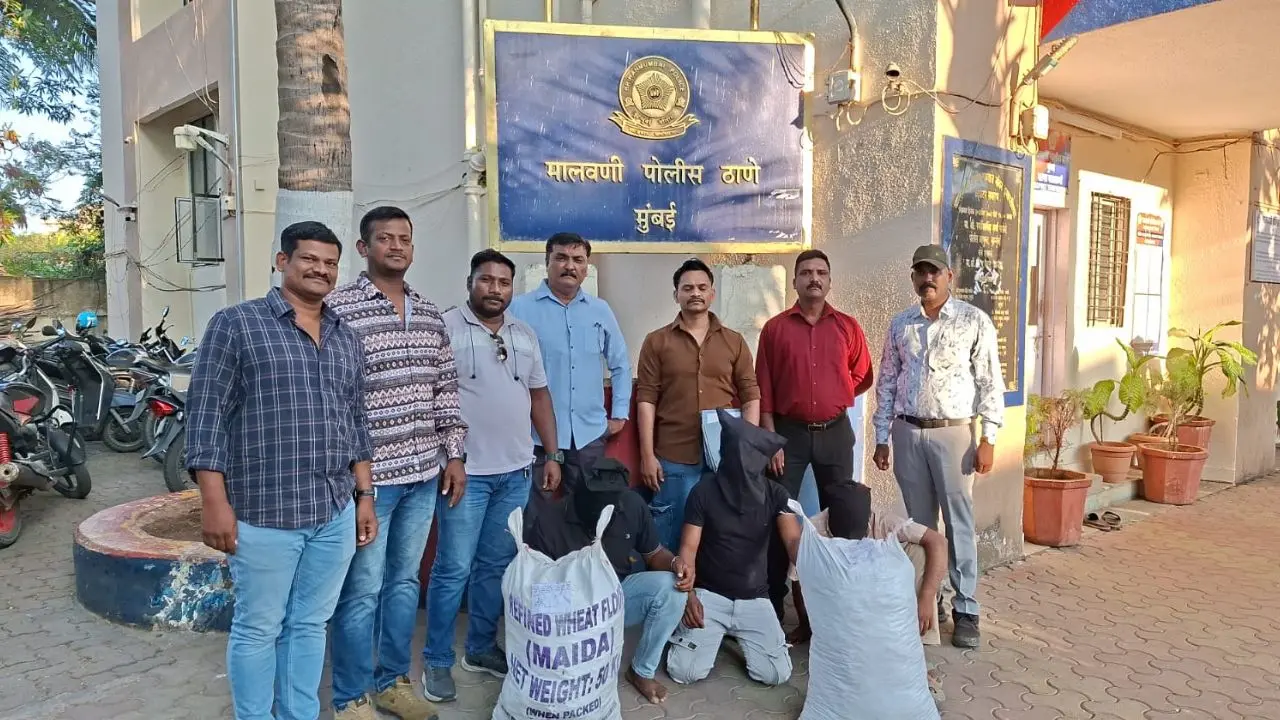
Accused Vishal Varthe (in white, kneeling) and Mayur Mhatre (in black, kneeling) in custody of the forest officials. PICS/BY SPECIAL ARRANGEMENT
The confession
The duo confessed to killing the leopard around three months ago, with the skinning of the carcass carried out in the Yeoor range. They further admitted to removing body parts, including whiskers, claws, nails and skin, with the intent to sell them, and had been actively seeking prospective buyers. So far, only the leopard skin has been recovered, and further investigation is underway, said police.
Illegal wildlife trade
Leopard body parts, including bones, are in demand in illegal international wildlife trade, where they are sometimes used as substitutes for tiger parts in traditional medicine. Other parts, such as whiskers and claws, are also trafficked for use as curios or in ritualistic practices. Leopard skins are used for decorative artefacts and occasionally kept as status symbols. Leopard skins and body parts fetch thousands of rupees in the illegal wildlife trade market.