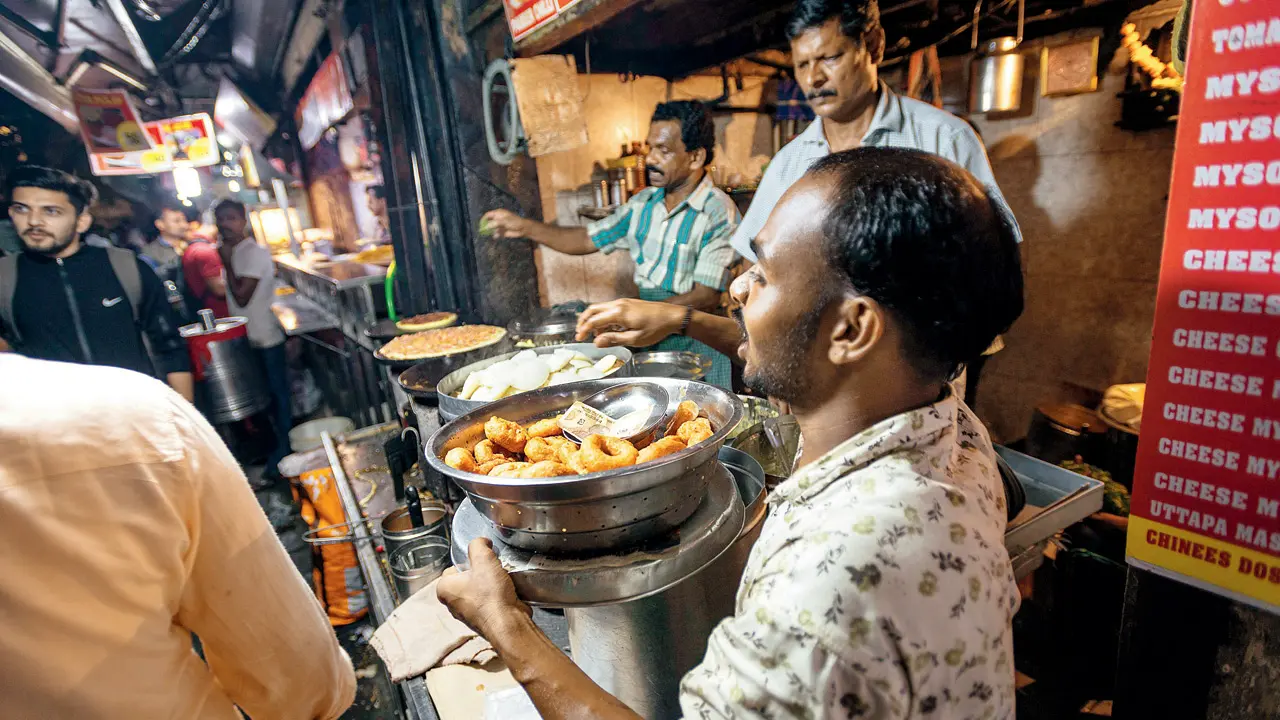
Mumbai’s mornings run on soft idlis and crispy vadas, many of them coming out of tiny, steaming kitchens tucked inside Dharavi. But that rhythm is breaking. A sharp shortage of commercial LPG due to the war in West Asia has forced these home-run setups to go silent, cutting off the daily supply chain that feeds commuters across the city.
For many vendors, this is not just a slowdown; it is survival slipping away. With no viable alternative fuel and no steady gas supply, kitchens are shutting, savings are thinning, and a reverse migration back to villages has already begun.
On the ground voices
Chinna, (Dharavi resident, sells in Vakola East)
“Shut my shop two days ago. No cylinder. I am going back to my village in Madurai. I will return only if things improve.”
Kumar, (Dharavi resident, sells near Lower Parel railway station)
“Dealers are not giving us even one cylinder. I used to earn 27-33 percent profit on R5500-6000 daily sale, now it’s zero. If not for our children’s school, would’ve gone to my village.”
Ammashi, 57, (Dharavi resident sells in Andheri East)
“My rent is Rs 10,000. With irregular gas, I can only work some days.”
Panja, (Dharavi resident sells in Kurla)
“No cylinders. No business. No income.”
Kanal, (Sells at Ghatkopar East)
“Other fuels don’t give the same heat. I don’t know how I will earn now.”
Mutturamu, 35 (Dharavi resident sells in Sunder Nagar, Kalina)
“We are stuck. Can’t farm back home due to the weather, can’t work here without gas. Surviving on savings.”
The numbers behind the crisis
Scale of impact
>> Hundreds to thousands of home kitchens affected
>> Each vendor needs 1 LPG cylinder every 2 to 3 days
Daily economics
>> Daily sale of Rs 2.5K-Rs 5K make vendors Rs 750-Rs 1.5K
>> Zero income once gas runs out
Housing pressure
>> Monthly rent: Rs 3K to Rs 10K
>> No fallback income to sustain it
The silent casualties
Balaji, the kirana shop owner
“All my regular buyers are idli vendors. I am losing Rs 30,000 worth of business daily. Almost all my regular buyers have stopped.”
Mohammad Yusuf, shopkeeper
“30 per cent less demand, 50 per cent less revenue this month. All vendors have discontinued business.”
Narendra Thorbole, coconut supplier
“From 150 regular buyers, only 50 remain. Sales dropped from 400 kg to nearly 100 kg.”ve extra gas for milk.”
Supply chain collapse
Ripple effect on local businesses
30 percent to 50 percent drop in monthly revenue
50 percent to 80 percent fall in daily rice demand
Around 50 percent dip in coconut sales
Why are alternatives not working
Charcoal and firewood: Unsafe in congested lanes
Induction cooking: Slow, expensive, not for bulk cooking