For years, Star Plus has kept audiences invested with stories packed with drama, emotion, and unforgettable twists. Among its most iconic shows, Kyunki Saas Bhi Kabhi Bahu Thi stands tall, not just as a family drama but as a show that consistently used its platform to spotlight important social issues and spark meaningful conversations.
Recent track of Kyunki Saas Bhi Kabhi Bahu Thi
In the recent storyline, Tulsi is seen having a heartfelt and necessary conversation with Garima, Pari’s daughter after her traumatic kidnapping. Instead of brushing the incident aside, Tulsi gently confronts her, asking what happened and explaining the difference between good touch and bad touch. More importantly, she encourages the child to speak up, reminding her that no matter what, her voice matters and her safety comes first.
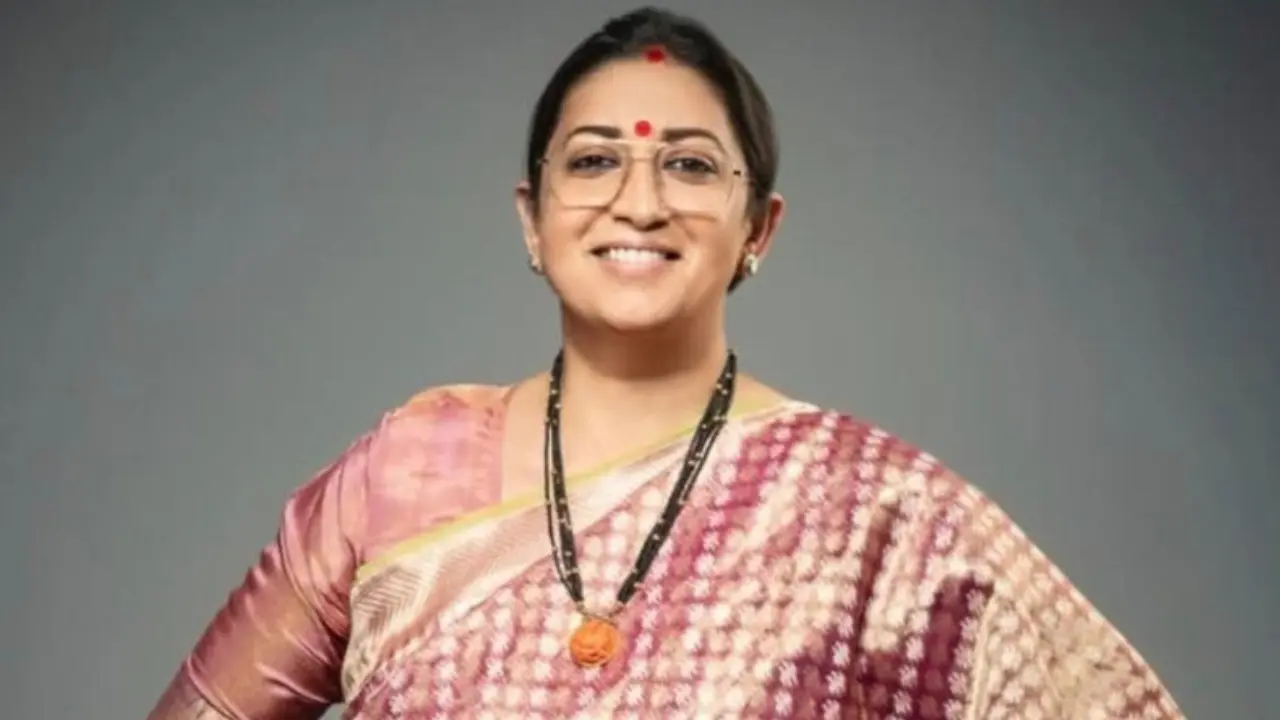
Speaking about the show bringing change through such storylines and creating awareness, Smriti Irani shared, “When we brought the legend of Kyunki back to your television screens, it wasn’t just a comeback. It was a commitment. A promise, to speak of change. To hold on to hope. To tell the stories that are often whispered about, but rarely confronted. We spoke about domestic violence. We opened conversations about ageing. We championed a woman’s right to economic independence.”
Smriti Irani talks about child safety
Smriti Irani opened up about why it was important for the show to speak about child safety so directly. She shared, “And yesterday, we gathered the courage to speak about something that shatters silence inside countless homes, child safety. Behind the veil of melodrama lay a truth too urgent to ignore: our children must know the difference between good touch and bad touch. They must know their voice matters. They must know their safety is non-negotiable.”
Opening up about the emotional weight of portraying such a sensitive subject on mainstream television, Smriti Irani acknowledged that telling these stories comes with discomfort. but also with responsibility. Smriti said, “These are not easy stories to tell. They are uncomfortable. They are painful. But they are necessary. We found the strength to tell them because you were watching. Because you listened. Because you cared. And as long as you stand with us, we will continue to push boundaries, to question silence, to stir change. Because these are not just stories on a screen. They are your stories. Our stories. Stories that can help build a safer tomorrow.”
Her words underline how powerful television can be when it chooses to address realities that often remain hidden behind closed doors, proving once again that stories, when told with conviction, can become catalysts for awareness and change.