On Global Accessibility Awareness Day, Mumbai’s Xavier’s Resource Centre for the Visually Challenged (XRCVC) released a white paper highlighting accessibility gaps in household appliances and their digital accessibility.
The report called for intuitive layouts, readable displays, tactile controls, and multi-modal features as touchscreens become increasingly common. It also urged companies to involve disability experts in product design.
Daily challenges
Blind individuals living independently in cities shared how inaccessible designs often make them dependent. “I use voice assistants to operate gadgets around the house. However, appliances like washing machines and geysers leave you guessing whether the task is complete,” said 27-year-old Aniket Katole, who lives alone.
Gajanand Kale, accessibility tester
“Products and platforms are not designed for persons with disabilities. One has to depend on a sighted person while learning to use them,” said Accessibility Tester, Gajanand Kale.
Safety concerns
The 25-year-old blind student said some appliances are often accident-prone. “We operate many devices through estimation and guesswork. Companies must focus on safety features like handles and insulation suitable for all users,” he said.
Real accidents
According to anecdotes shared by the institute, a blind user accidentally changed the programme on a touchscreen washing machine and realised it only later, forcing neighbours to step in.
Aniket Kathule, student, XRCVC
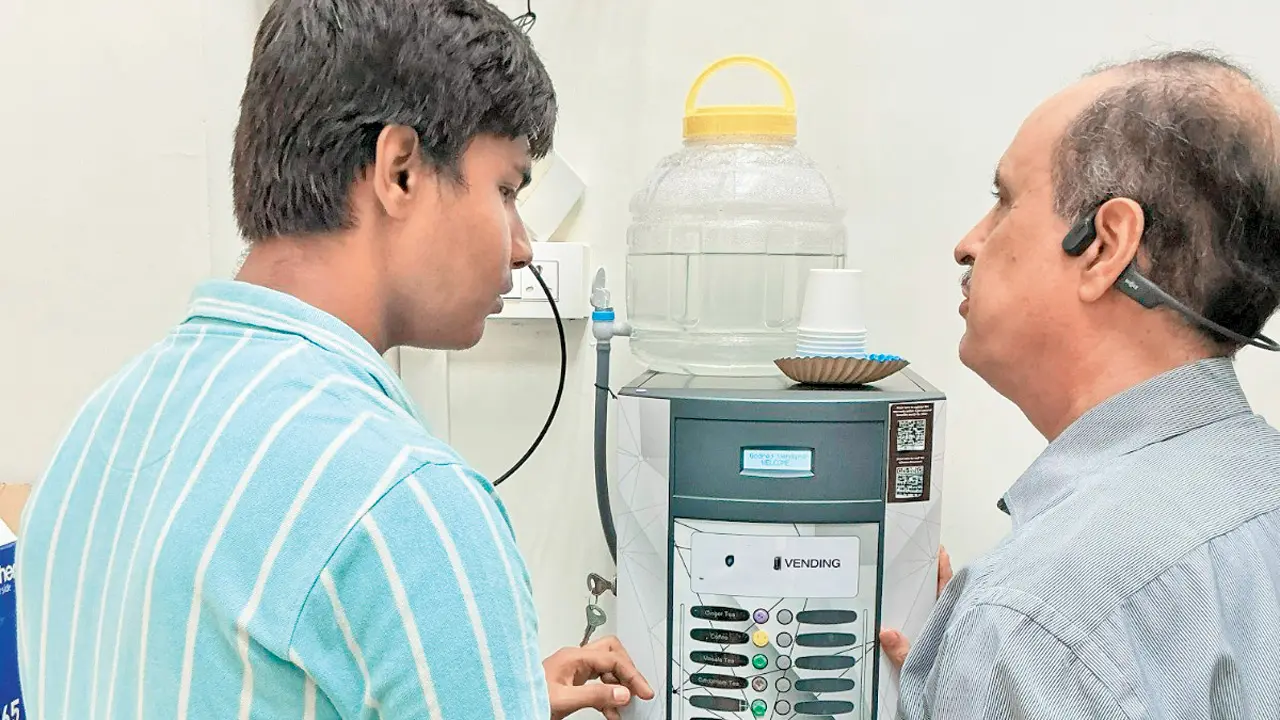
In another case, visually impaired users suffered burns while using tea and coffee dispensers that lacked tactile cup-position markings. A blind person was also reportedly locked out after a smart lock app became inaccessible, leaving them stranded until sighted help arrived.
Industry appeal
Dr Sam Taraporevala, executive director, XRCVC, St Xavier’s College, said, “Inaccessibility was always a lived experience, but now we have documented and voiced these concerns. Disabled users form a huge market that businesses continue to overlook.” Ketan Kothari, managing consultant, said “Both physical and technological transformation are necessary.”