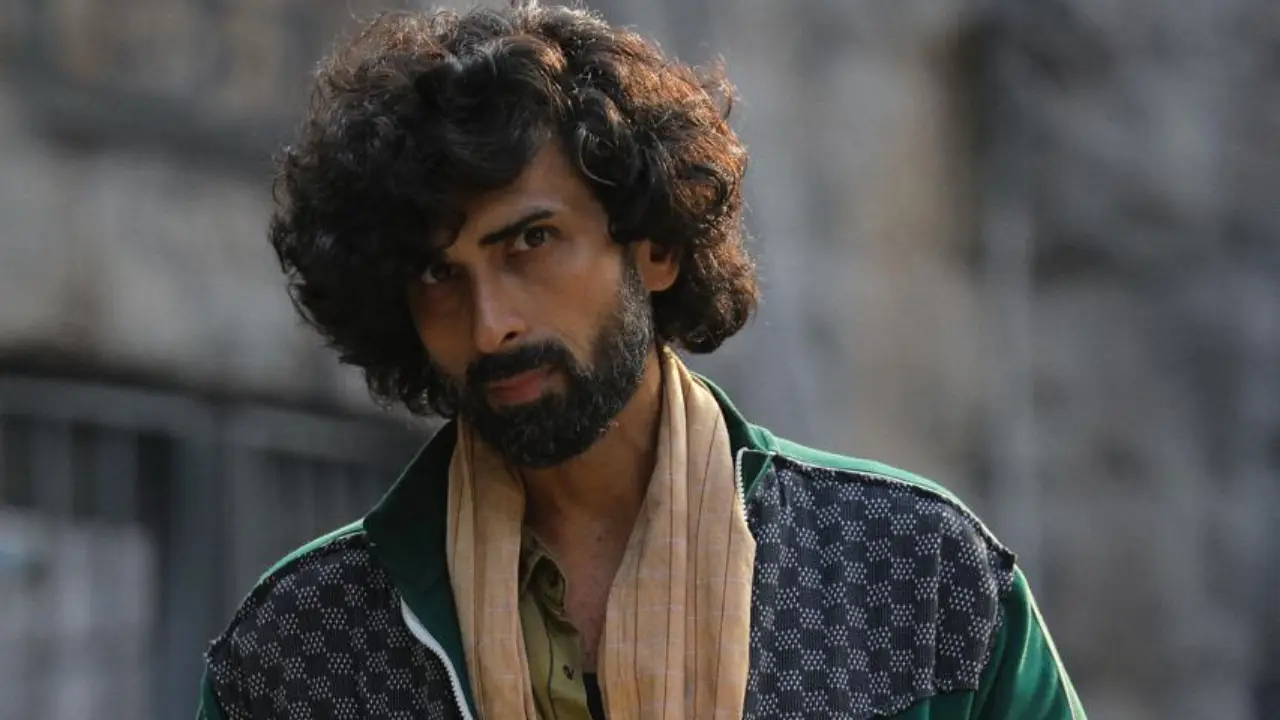
The Supreme Court of India has strongly criticised YouTuber Elvish Yadav while hearing proceedings related to the ongoing snake venom case, observing that influential public figures must act responsibly when it comes to wildlife protection.
Elvish Yadav`s snake venom case has a hearing
During the hearing, the bench made sharp remarks about the alleged handling of protected species. The judges stated, “If popular persons are allowed to use voiceless victims like snakes, it could send a very bad message to society.” Emphasising the seriousness of the allegations, the court further questioned, “You take the snake and play around. Did you deal with the snake or not? Can you go to the zoo and play with animals there? Will it not be an offence? You can’t say that you’ll do whatever you want.”
The case pertains to allegations that snakes and snake venom were used at private events, including alleged rave parties in Noida. Police had earlier claimed that several snakes, including cobras, were rescued and that suspected venom was recovered during the investigation. Authorities invoked provisions of the Wildlife Protection Act, stating that protected species cannot be possessed or used without legal authorisation.
Elvish Yadav receives flak
Appearing for Yadav, senior advocate Mukta Gupta argued that her client had merely attended an event as a guest for a music video shoot and had no involvement in any illegal activity. She told the court that there was “no rave party” and “no consumption of any psychotropic substance.” She also submitted that medical examination reports suggested the snakes involved were not venomous, challenging the prosecution’s claims.
However, the state’s counsel maintained that the investigation had uncovered material suggesting illegal possession of snakes and possible extraction of venom. The bench sought clarity on how snake venom could allegedly be extracted and used in such contexts, indicating that the matter required careful scrutiny.
The Supreme Court has adjourned the case for further detailed hearing. The judges underscored that laws protecting wildlife exist to safeguard animals that cannot defend themselves and must be strictly enforced. The controversy first surfaced in November 2023 when a case was registered against Yadav and others, triggering widespread public debate and legal proceedings that continue to unfold.